Why style and taste matter in an AI driven future
Style and taste are essential to the future I want to help build. As AI shapes more of everyday life, it should give people greater freedom to express who they are.
Samuel Collett, Founder of HoWA··4 min read
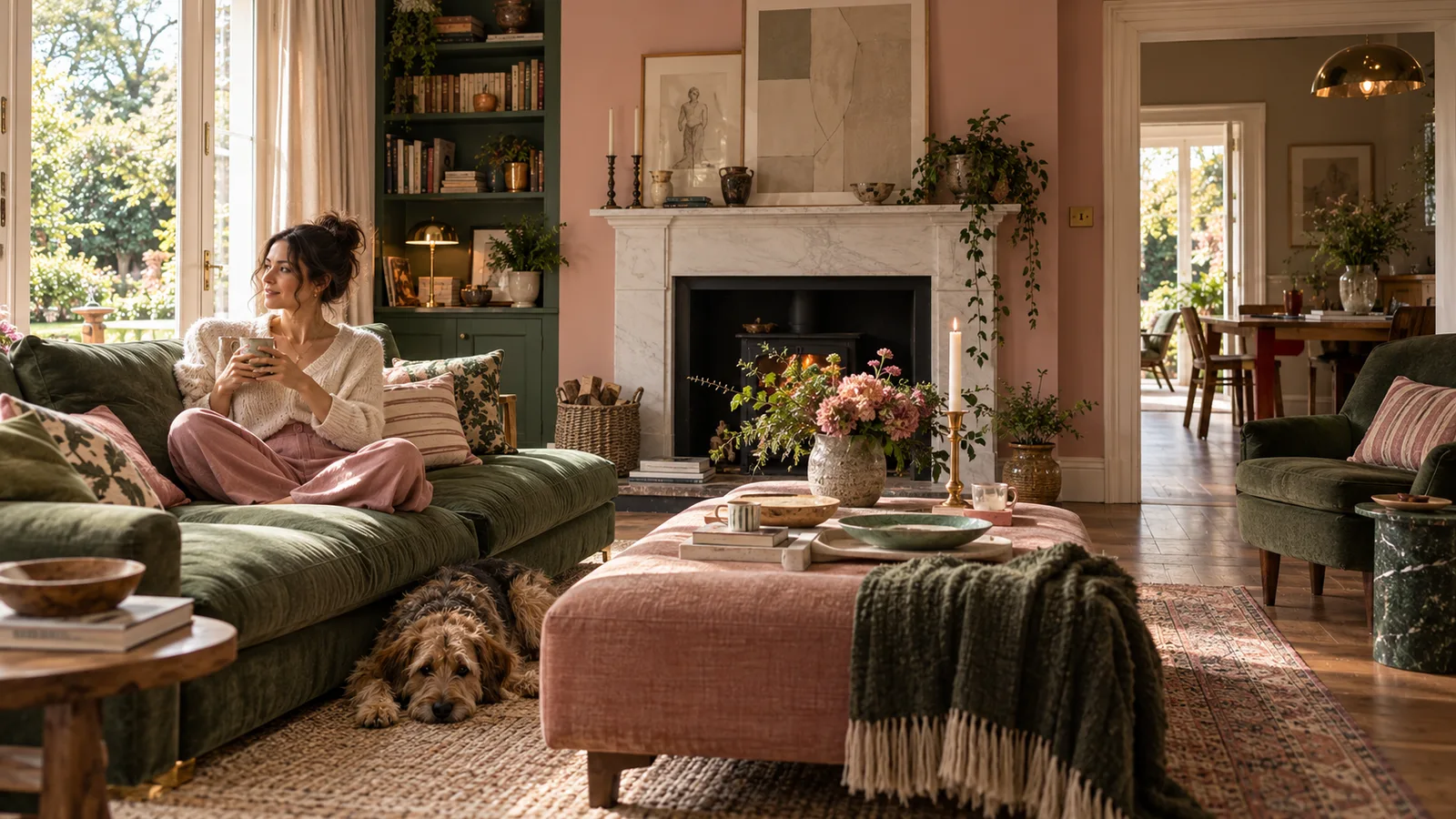
A room can be beautifully composed and tell you very little about the person who lives there. Every object seems to have received the same instructions. I am interested in what makes someone want to spend time there, and what makes the place feel like theirs.
Style and taste shape our surroundings and the pleasure we take in them. They can find expression in a second-hand chair, a colour or the way familiar objects are arranged. They deserve a central place in thinking about how we will live.
As AI becomes more influential, I want to protect that capacity for expression. HoWA's purpose of helping people live in harmony includes feeling connected to the places we inhabit. Intelligence should help us make homes with character, including the different tastes of people who share them.
Opening up possibility
There is a generous promise in AI-assisted exploration. A person can try to express something they find difficult to describe, examine a direction and discover what they respond to. A rough thought can become specific enough to discuss with another person.
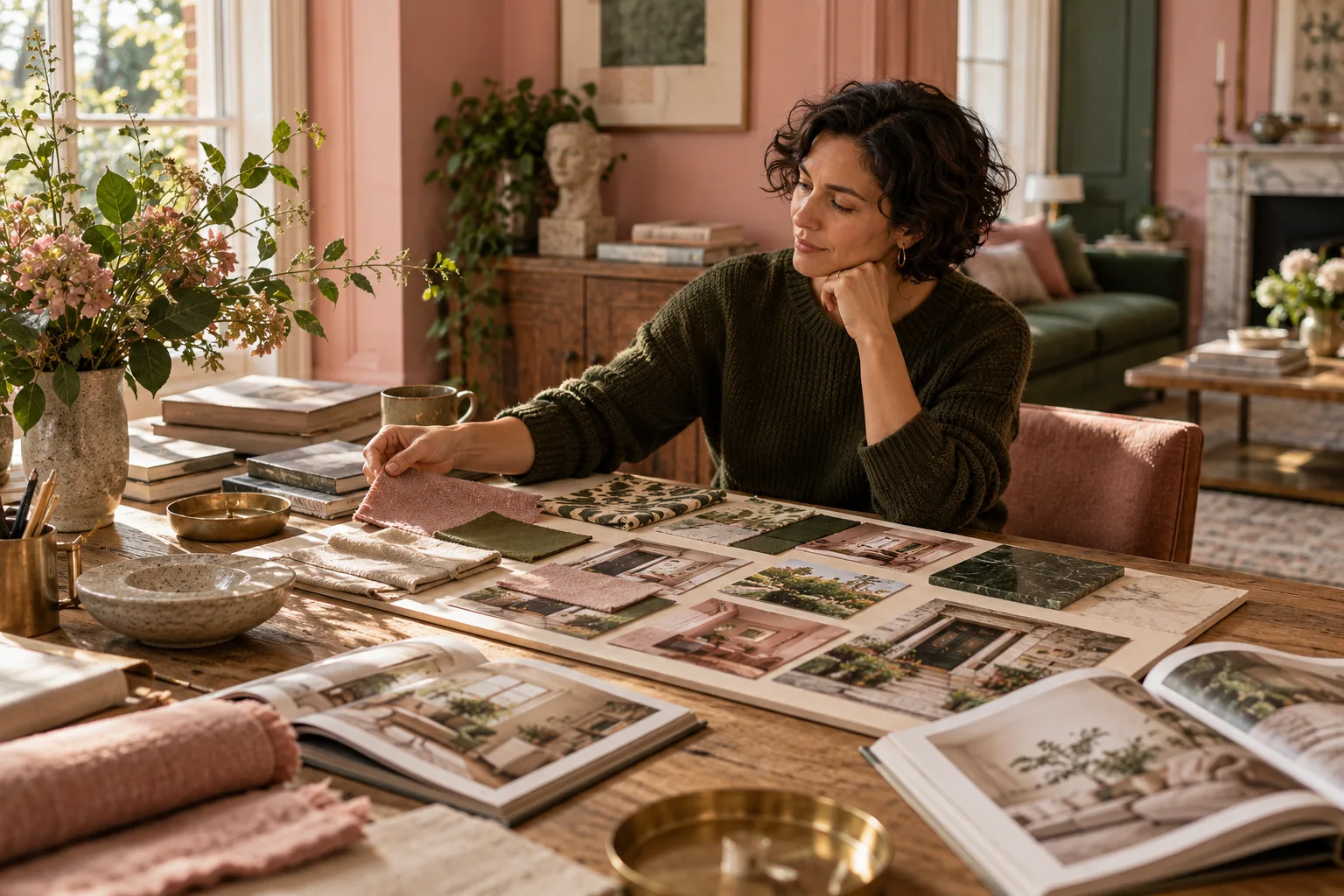
That could make the early stages of a project more accessible. You should not need to know every design term before explaining the feeling you want from a space. A useful system could help develop your eye as well as your brief, making the reasons behind a choice easier to understand.
I am interested in a process that welcomes disagreement. You might like the light in a photograph and dislike almost everything else. You may admire a material without wanting to maintain it. Saving an image should create an opportunity to understand the attraction, rather than settle your taste.
In a 2024 short-story experiment, Anil Doshi and Oliver Hauser found that AI-generated ideas improved evaluations of individual stories, while making the stories more similar to one another. This was a particular writing task, not a study of homes. For me, it raises a useful question about how a suggestion can shape what we make next. [1]
Making room for individual judgement
My response is to give the person more influence over the process. A recommendation should make its reasoning available. What about this option relates to the brief? Which constraints does it address? What alternatives would change the result?
That helps a person develop judgement rather than simply accept a presentation. It can also reveal when the system has understood the wrong thing. Perhaps it has mistaken a fondness for warm light for a preference for a particular colour.
A useful relationship with AI should leave room for discovery. If the system only repeats familiar choices, it may make an old preference increasingly difficult to escape. Taste develops through encounters as well as consistency. I want people to be able to try a different direction without being pulled back towards an old profile.
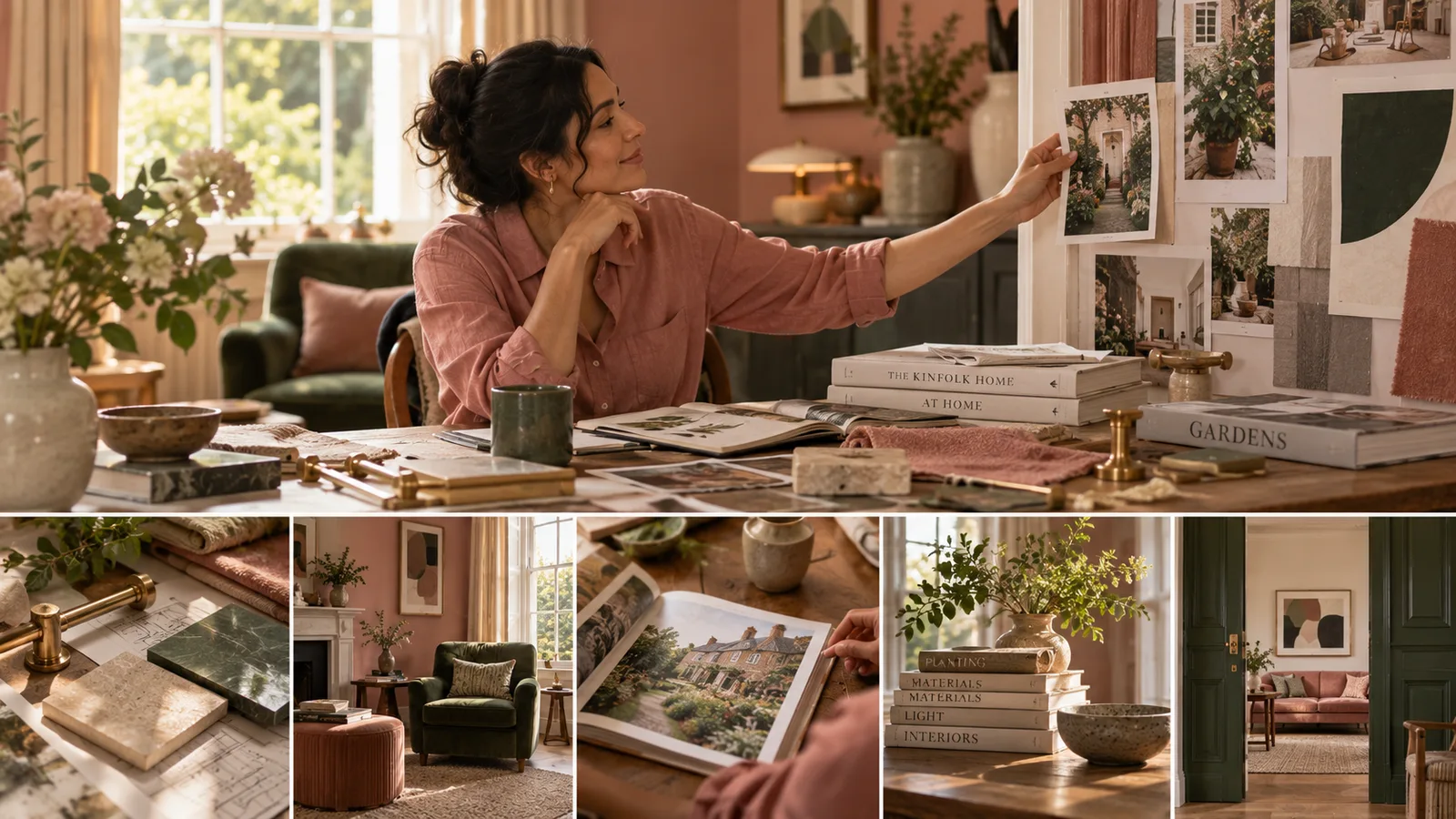
A household makes the process richer. Two people may want different things from the same room. Helping them articulate those priorities could be more valuable than generating another polished image. Their eventual choice should be able to hold something of each person, rather than lose both in a bland compromise.
Human designers and makers have a continuing place in this future. Their judgement can connect an idea to material, proportion, construction and use. AI may help prepare a more considered conversation with them. It cannot make every uncertainty disappear by producing a persuasive picture.
Living with the choice
A decision about a home has a life beyond the moment it is made. The surface has to be used. The furniture has to fit the way people move. The garden has to be cared for through changes in weather and in the household's appetite for work.
This is where taste and practical intelligence belong together. A beautiful material has to suit how someone lives with it. An abundant garden has to reflect the care they can give it. Considering those relationships is part of good design, and can help people enjoy a choice for longer.
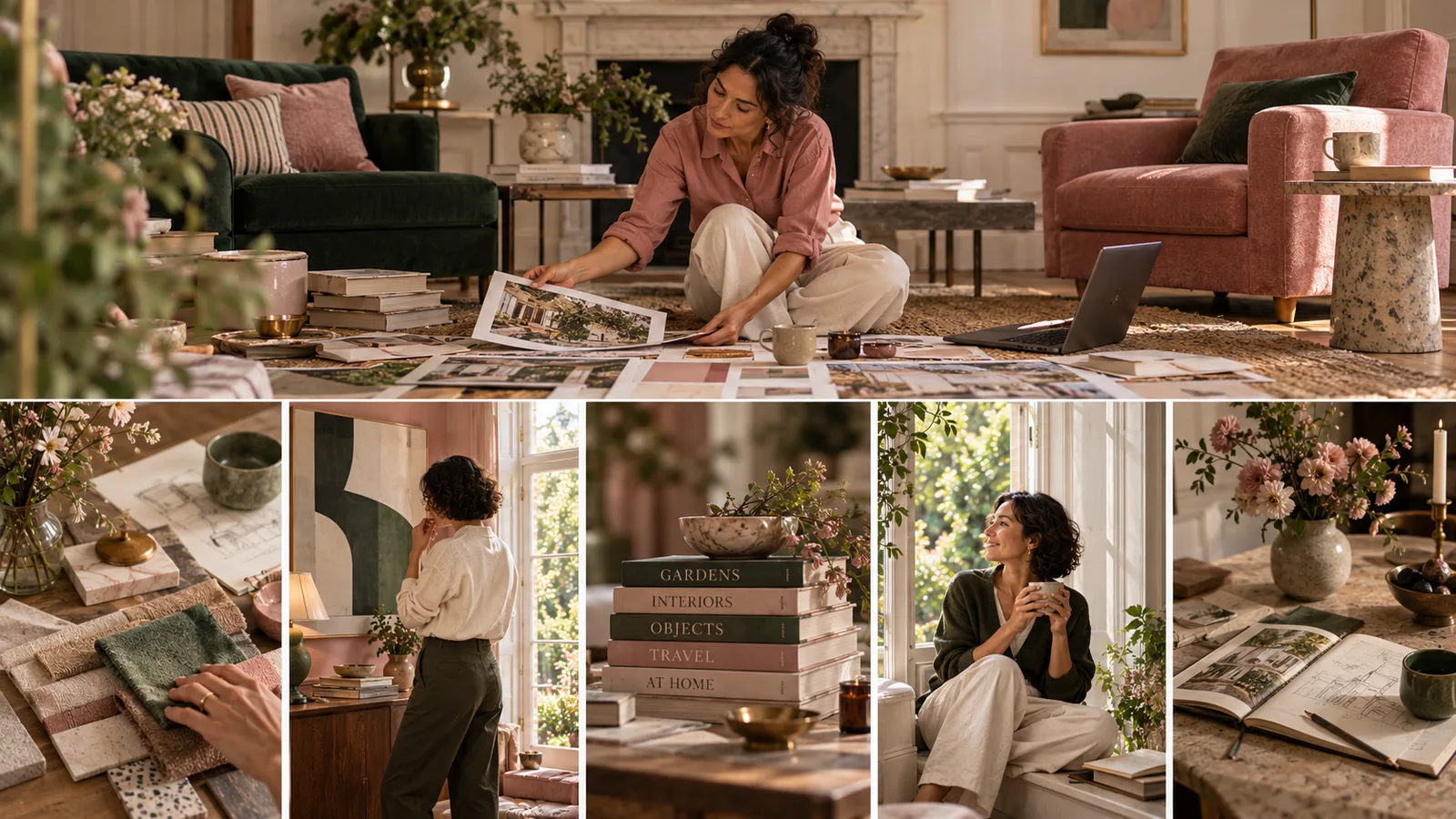
For HoWA, I want that understanding to continue after the choice. The reason for a decision should remain available, and experience should be able to amend it. Something that looked ideal may turn out to be inconvenient. Something uncertain may become a favourite.
A commercial recommendation should also be honest about its interests. Where a business benefits from a purchase, that relationship should be clear. Suitability deserves its own explanation; a product's availability does not make it the right answer.
Style and taste need a deliberate place in the future of AI. I want HoWA to help people find what they respond to, understand their choices and make homes they enjoy living in. The technology should leave us with more confidence in our own judgement and surroundings that feel more distinctly ours.
Sources
[1] Anil R Doshi and Oliver P Hauser. Generative AI enhances individual creativity but reduces the collective diversity of novel content. Science Advances, 2024. Read the research