
A useful AI needs a memory we can trust
Useful memory can give everyday life continuity. It should preserve the reasons and preferences that matter, with room for us to change and control what is kept.
Samuel Collett, Founder of HoWA··4 min read
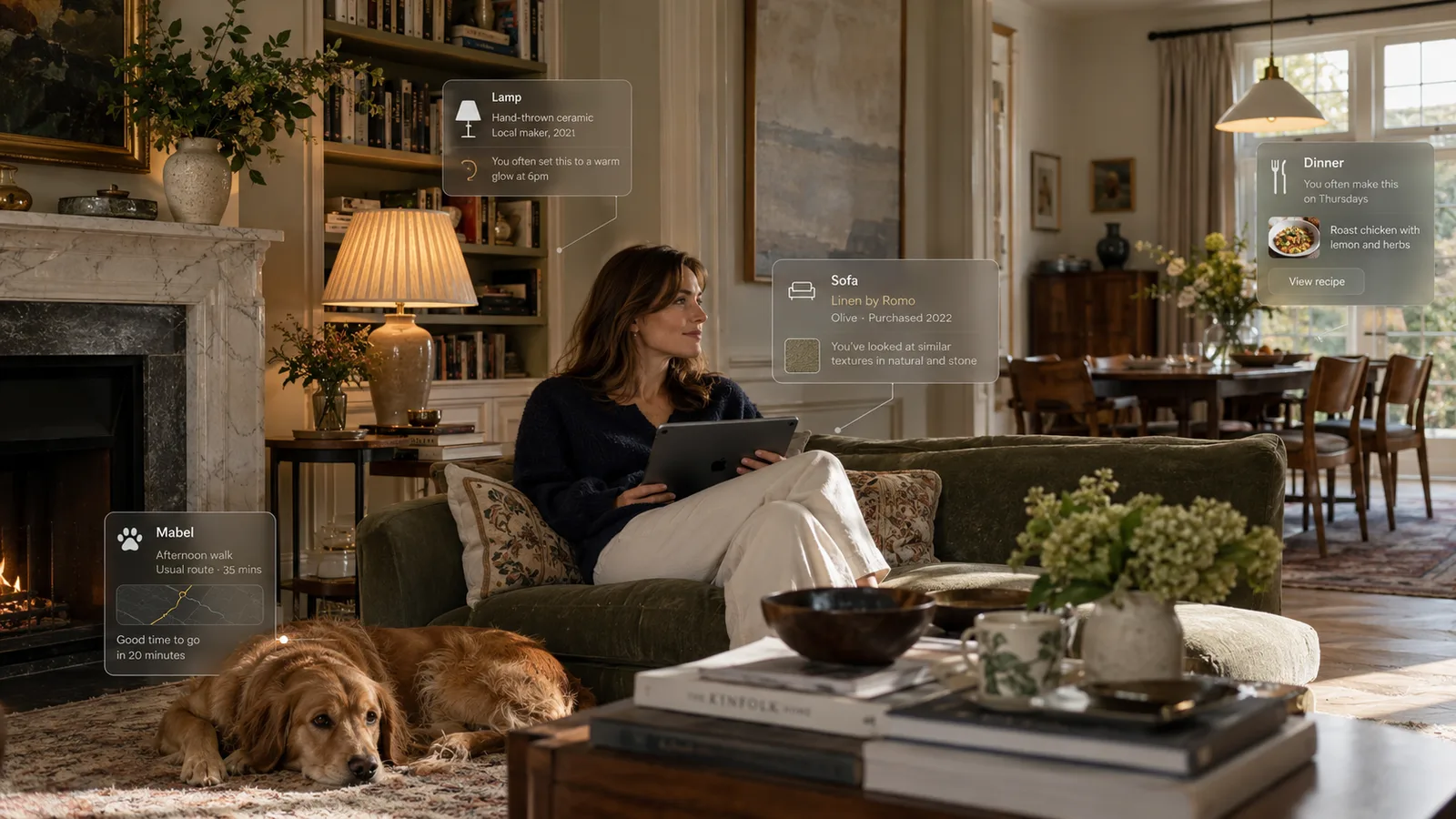
The most useful detail is sometimes the reason something happened. Why a particular material was chosen. Why an appointment needs to be in the afternoon. Why a room was left as it was. A record of the outcome can miss the understanding that made the decision sensible.
Those reasons can become scattered across messages, documents and somebody's recollection. One part of life loses touch with another. I want HoWA to help preserve enough context for the next decision to begin in a better place, while giving people control over what belongs in that record.
I believe useful memory has to be selective. It needs to retain what matters, recognise when information has changed and allow a person to decide what belongs in the record.
Remembering the reason
Imagine a household choosing flooring. The receipt can identify the product and supplier. A short note might explain that the choice was influenced by a dog, a tight schedule and a wish to retain the existing doors. Years later, those details could change the advice about what to replace or repair.
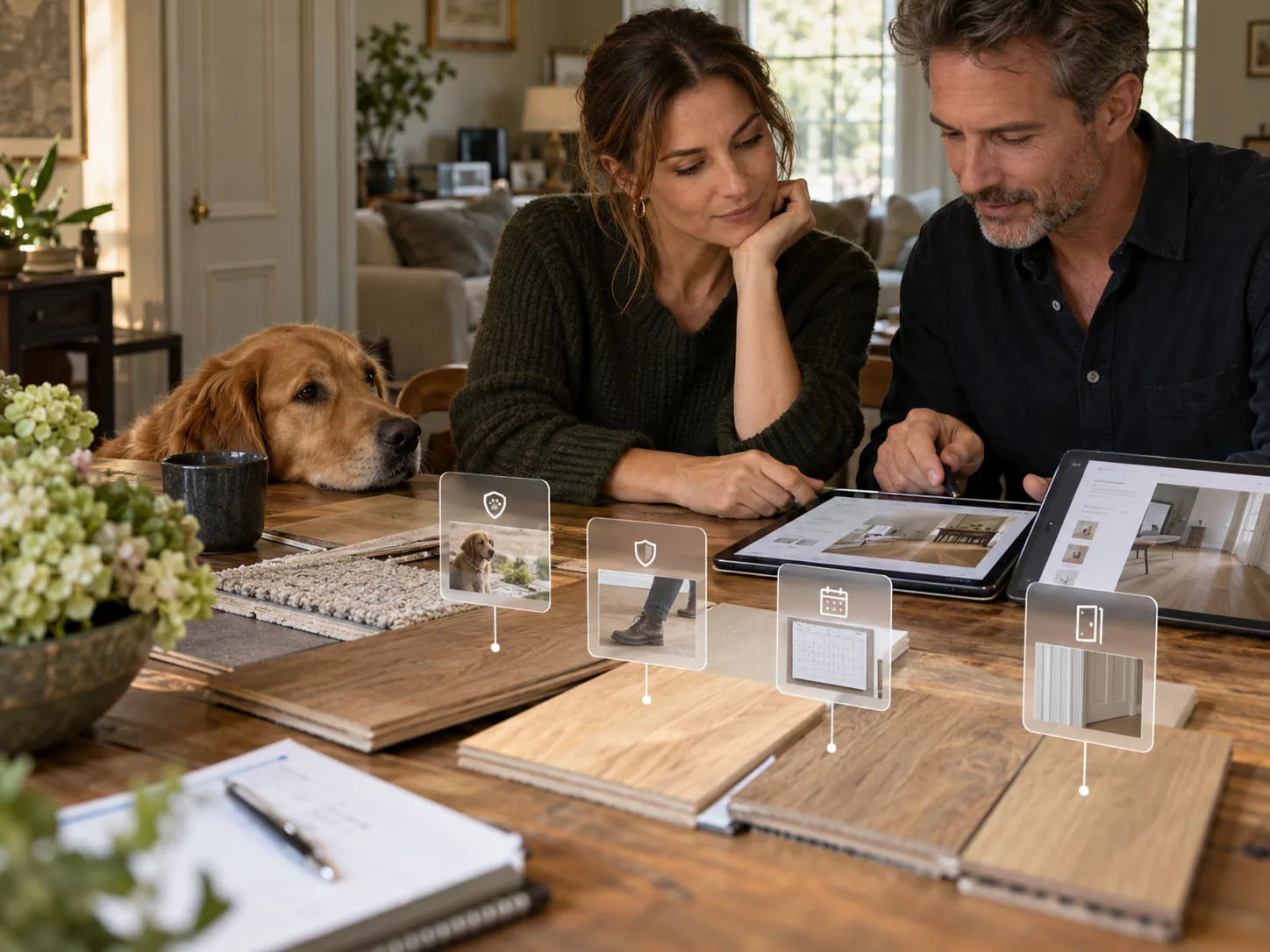
A future recommendation should distinguish a lasting preference from a compromise made at a particular moment. Choosing a surface because it was available on Friday says something different from choosing it for its colour and texture. Personal taste deserves a more attentive reading than a list of past purchases.
The same is true of practical arrangements. A temporary schedule can remain in a system long after the reason for it has passed. If an assistant keeps applying it confidently, memory becomes a source of repeated error.
For me, the important design question is how information remains useful as it ages. A source and a date help. So does knowing whether a statement came from the person, a document, an observation or an AI interpretation. These are different kinds of evidence.
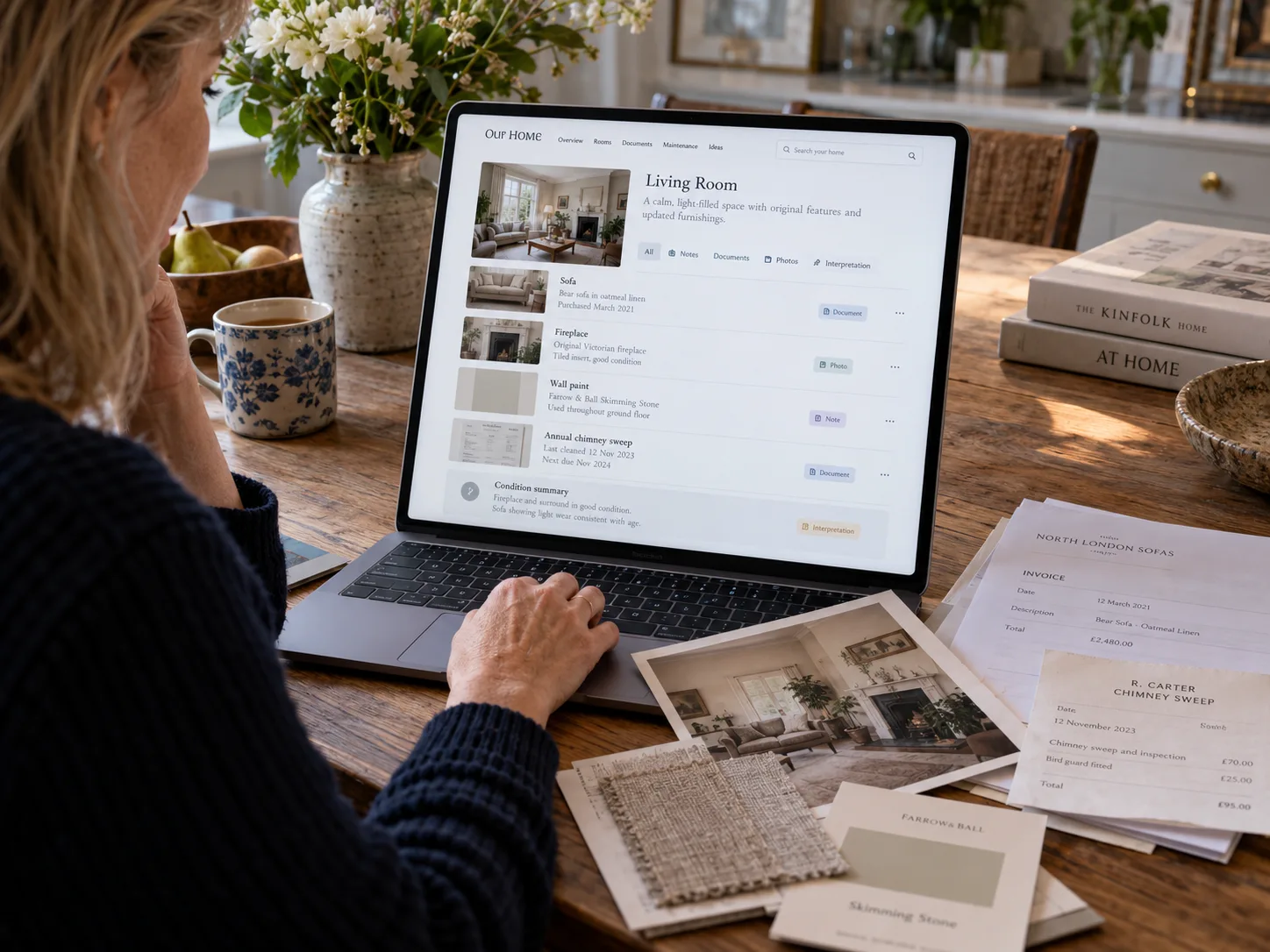
A system that can explain where an answer came from gives the person a way to judge it. A system that can incorporate a correction gives that judgement a consequence.
The home and the people are different
A property has a history that may be valuable to its next occupant. Information about work, equipment or materials can help someone understand what they have inherited. The private life of the previous household belongs in a different category.
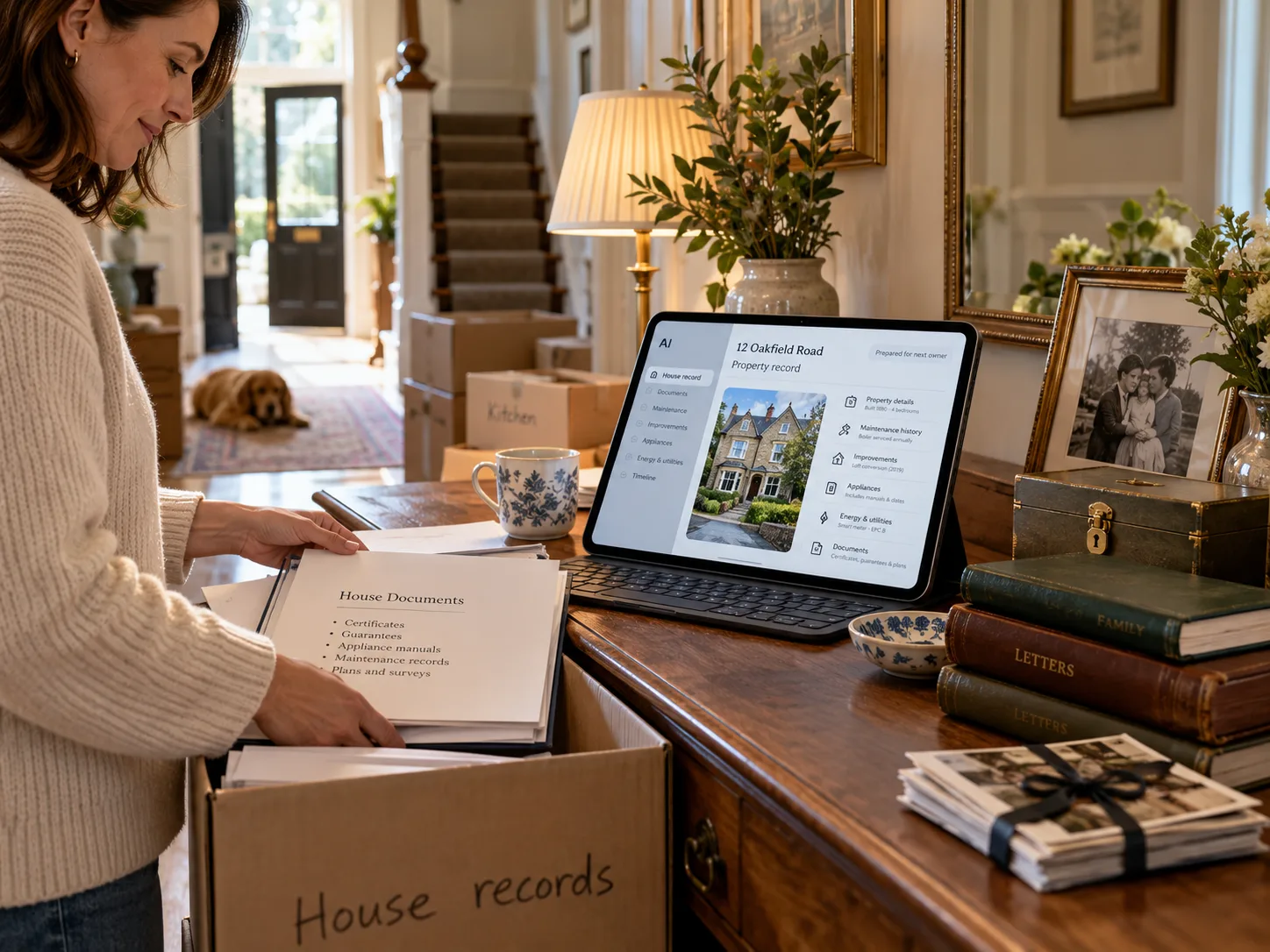
I regard that distinction as fundamental. Moving home should not mean handing over personal routines, private notes or somebody else's preferences. Equally, taking your personal context with you should not require erasing useful evidence about work on the building.
Even within one household, shared responsibility does not make every detail shared information. One person may need to know that a visit is arranged without needing access to the conversation that led to it. A service provider may need instructions for the work without seeing the household's wider affairs.
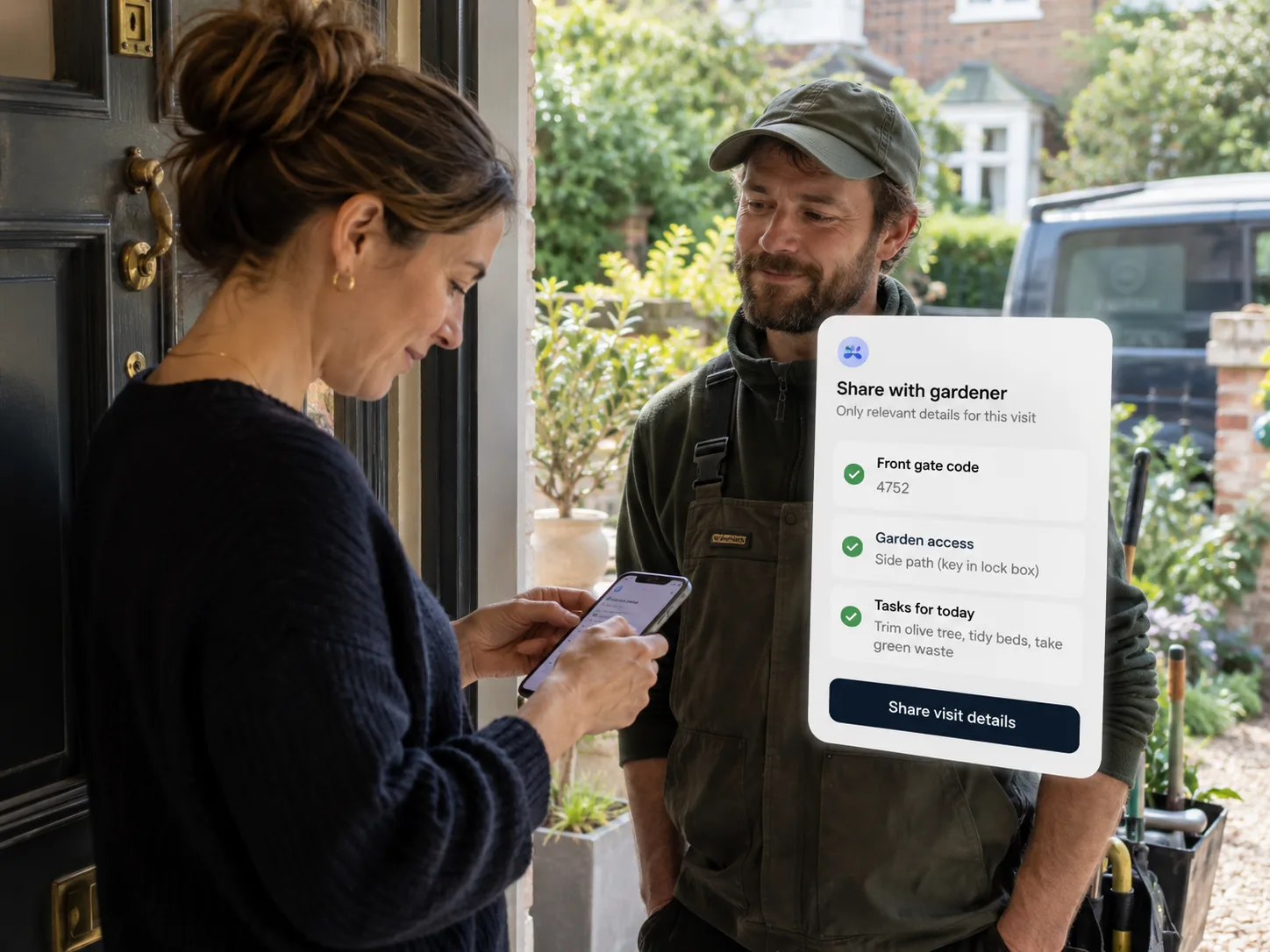
This makes memory a question of relationships and boundaries as well as storage. Who supplied a detail? Who may use it? What purpose does it serve? What should happen when someone leaves, changes their mind or withdraws access?
Those questions should shape a product from the beginning. They are part of what makes remembered context suitable for use.
Continuity without being trapped by the past
There is a further tension in building personal intelligence: people need continuity, and they need the freedom to become different. An old profile should never become an authority over the person it describes.
If I tell a system that a preference no longer applies, I expect that to influence what happens next. If a record is wrong, I want a clear way to correct it. If a piece of information has no continuing purpose, keeping it forever is difficult to justify.

I also want useful context to survive changes in how people choose to use technology. Interfaces and AI providers will evolve. My ambition for HoWA is that the work someone puts into organising their world can remain useful through those changes, subject to the connections and permissions we can genuinely support.
That continuity has to be demonstrated in ordinary moments. Can the right information be found? Is its source clear? Does a correction change a later answer? Is a private detail kept from somebody who should not receive it? These are more meaningful tests than the size of a collection.
I want that continuity to give people more ease in their daily lives. Less time reconstructing a decision can leave more attention for the people involved in the next one. A careful memory should help a home retain its character while allowing its occupants to change their minds and move forward.