A House for Love, Loss and Moving On: Inside Stephen Wright's House of Dreams Museum
Inside Stephen Wright's House of Dreams Museum, an extraordinary East Dulwich home where found objects, memory boards, mosaics and personal history become a living environment of love, loss and creative freedom.
House of Willow Alexander·
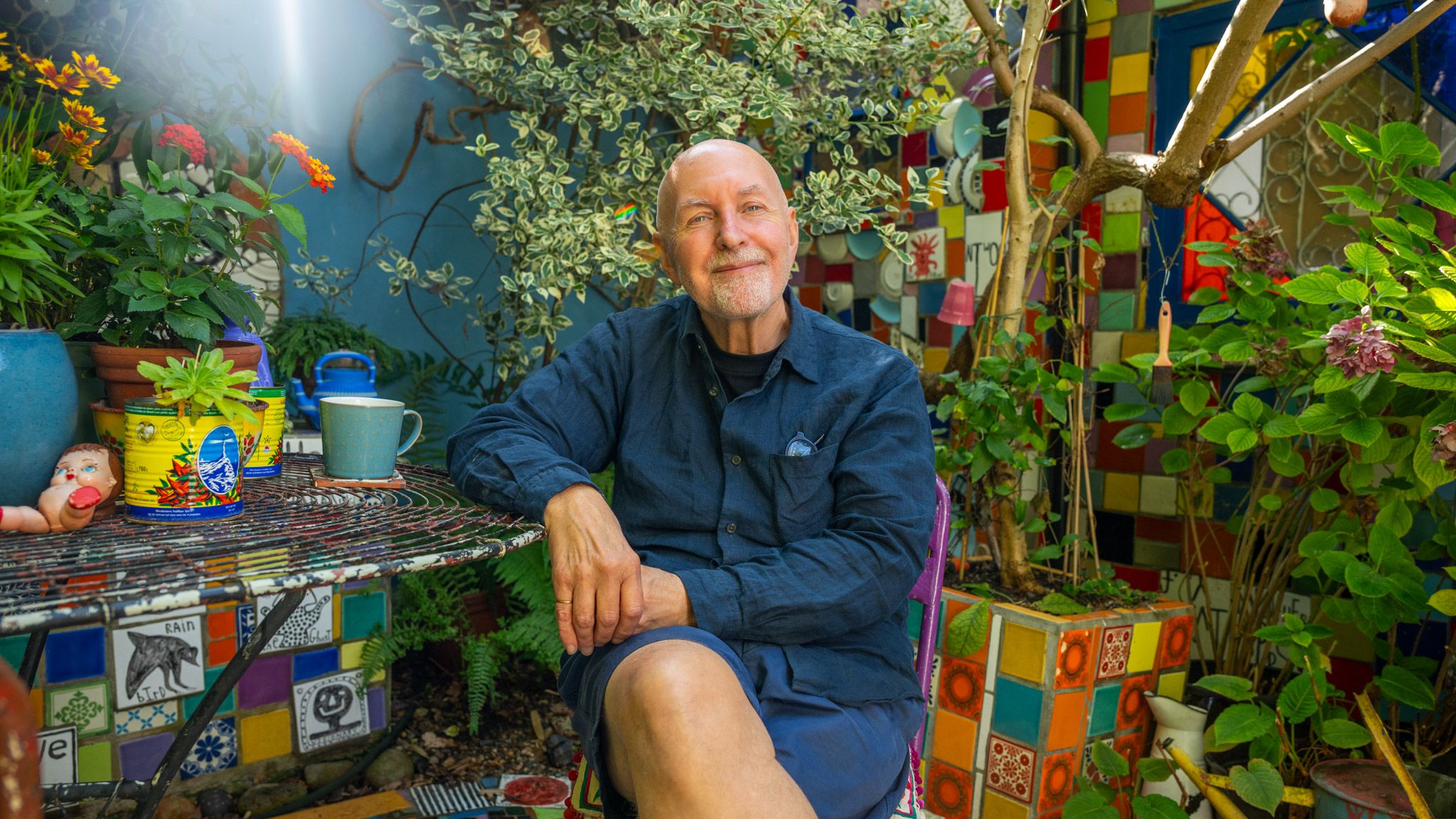
Some houses are arranged around comfort. Others are arranged around taste, inheritance, practicality or display. Stephen Wright's House of Dreams Museum in East Dulwich is arranged around something less easily contained: memory, instinct, grief, colour, discarded objects, and the need to make a world in which the self can survive.
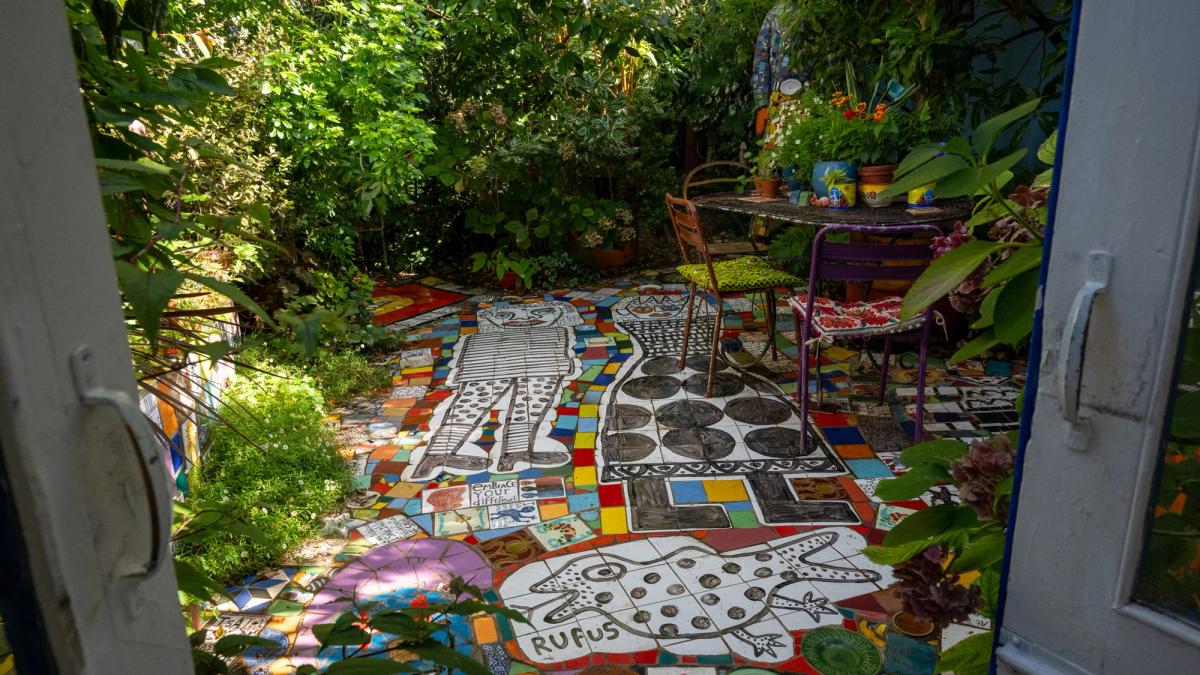
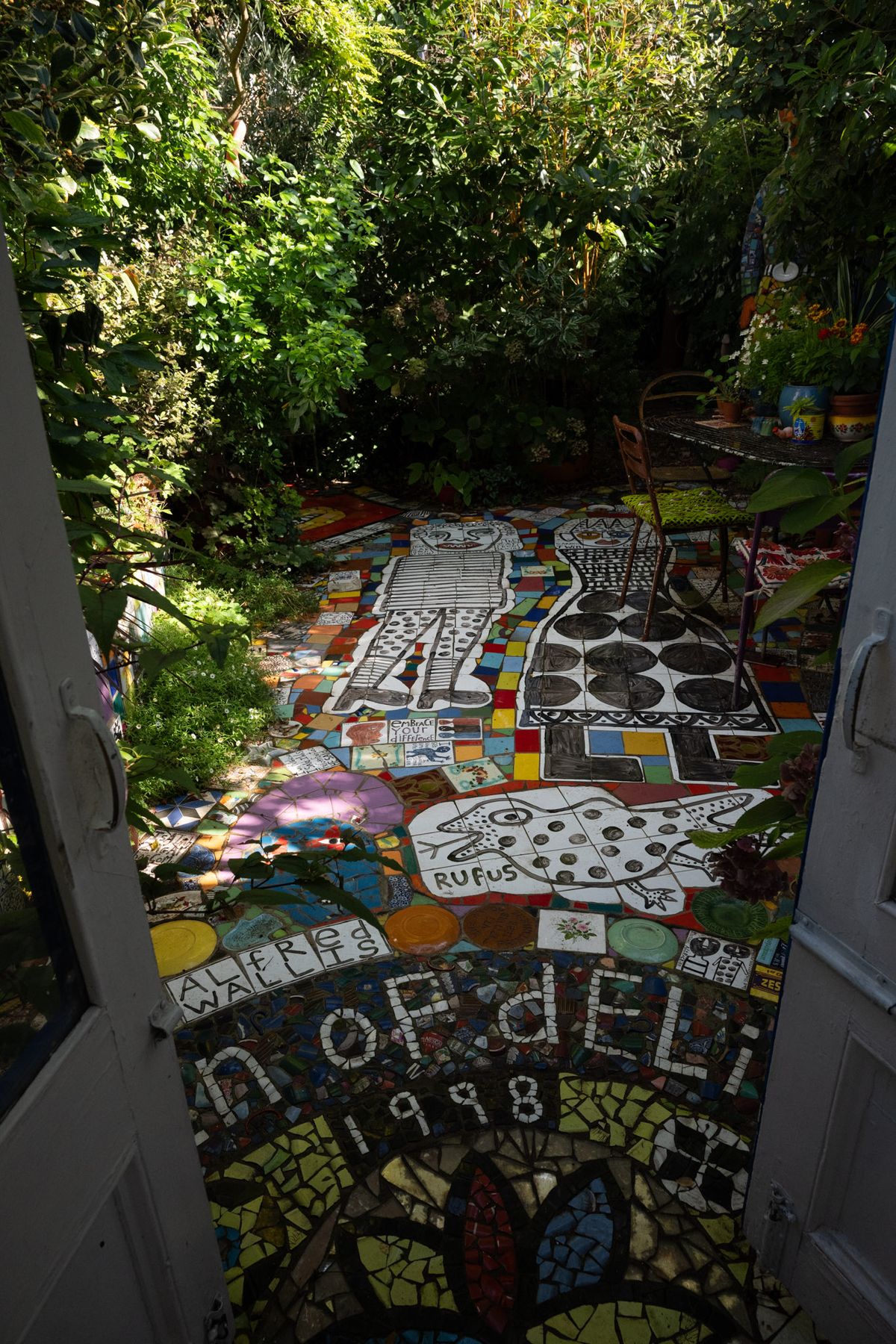
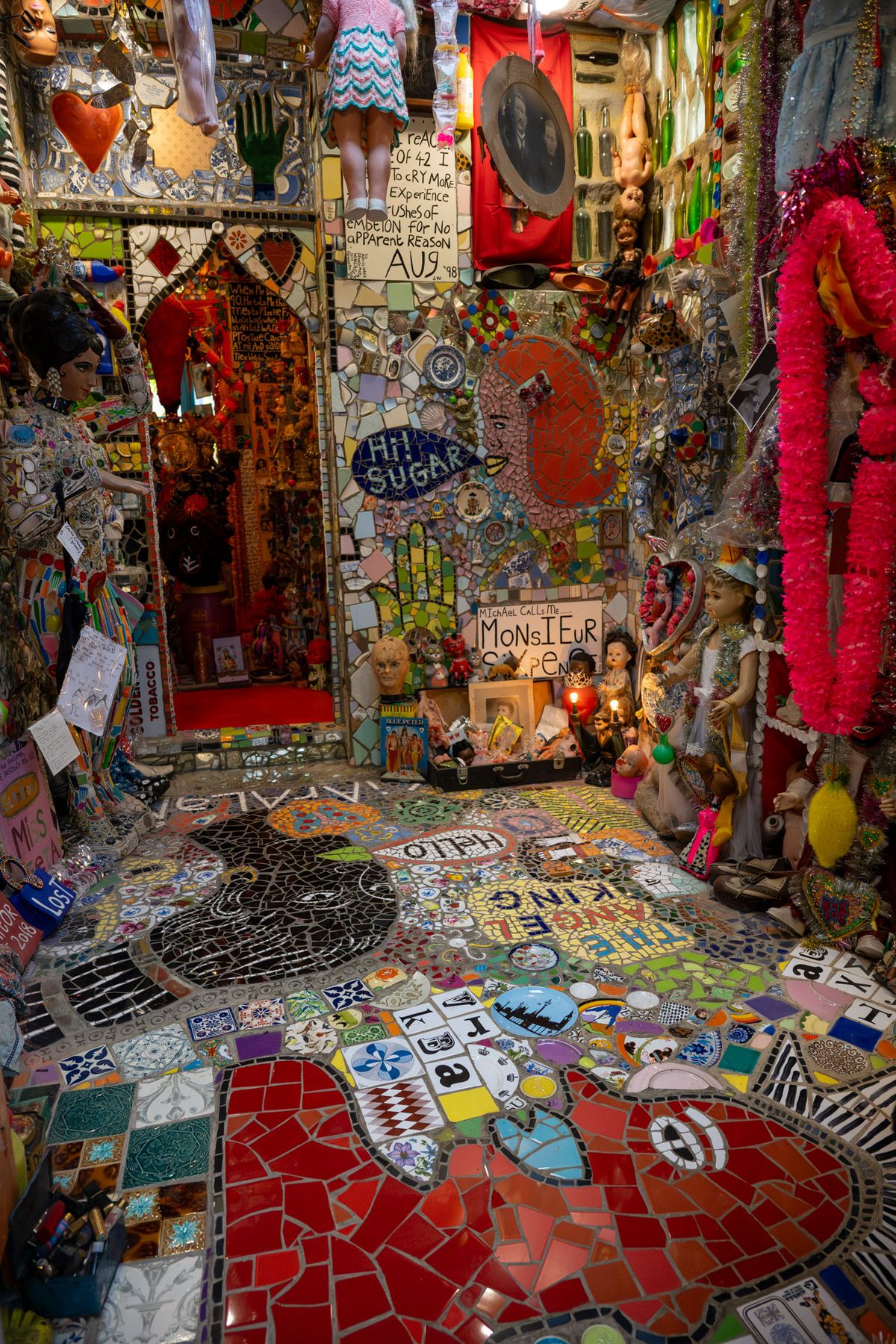
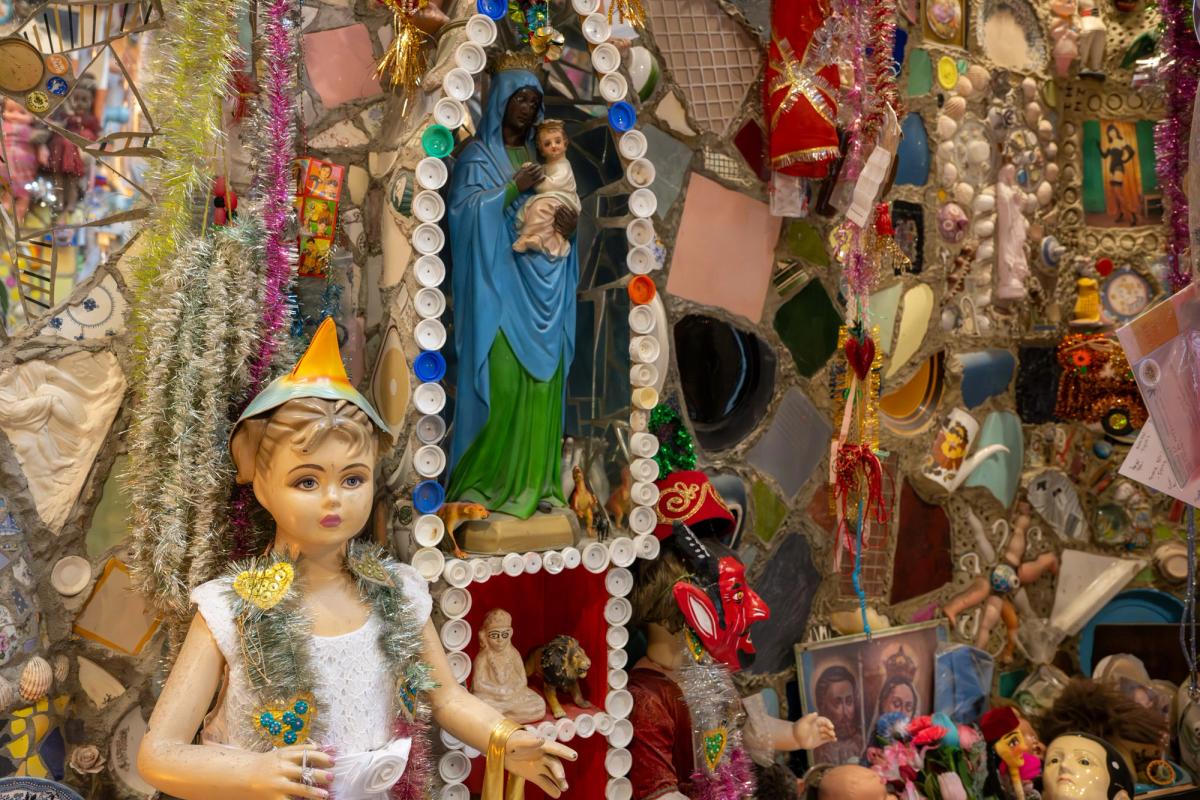
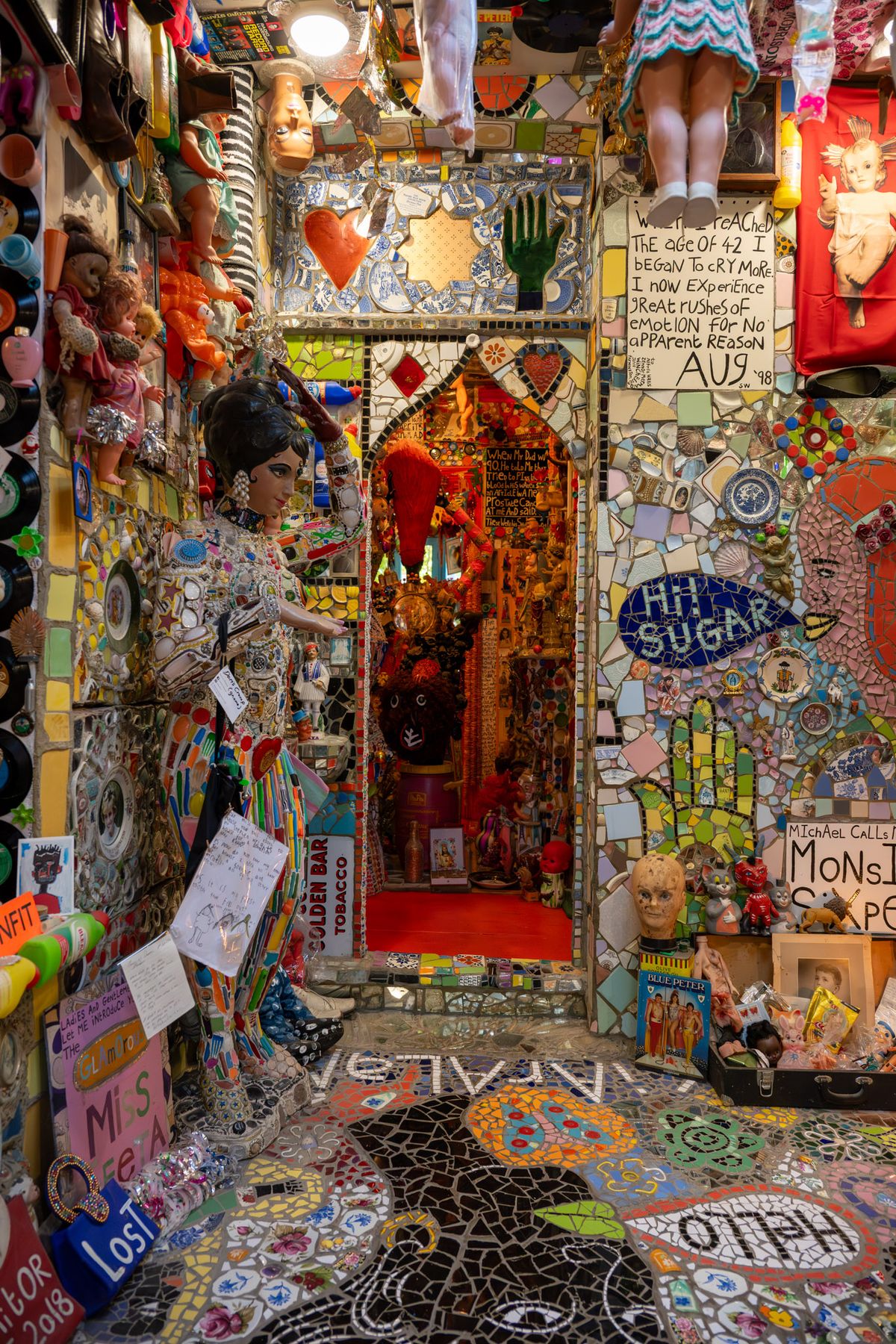
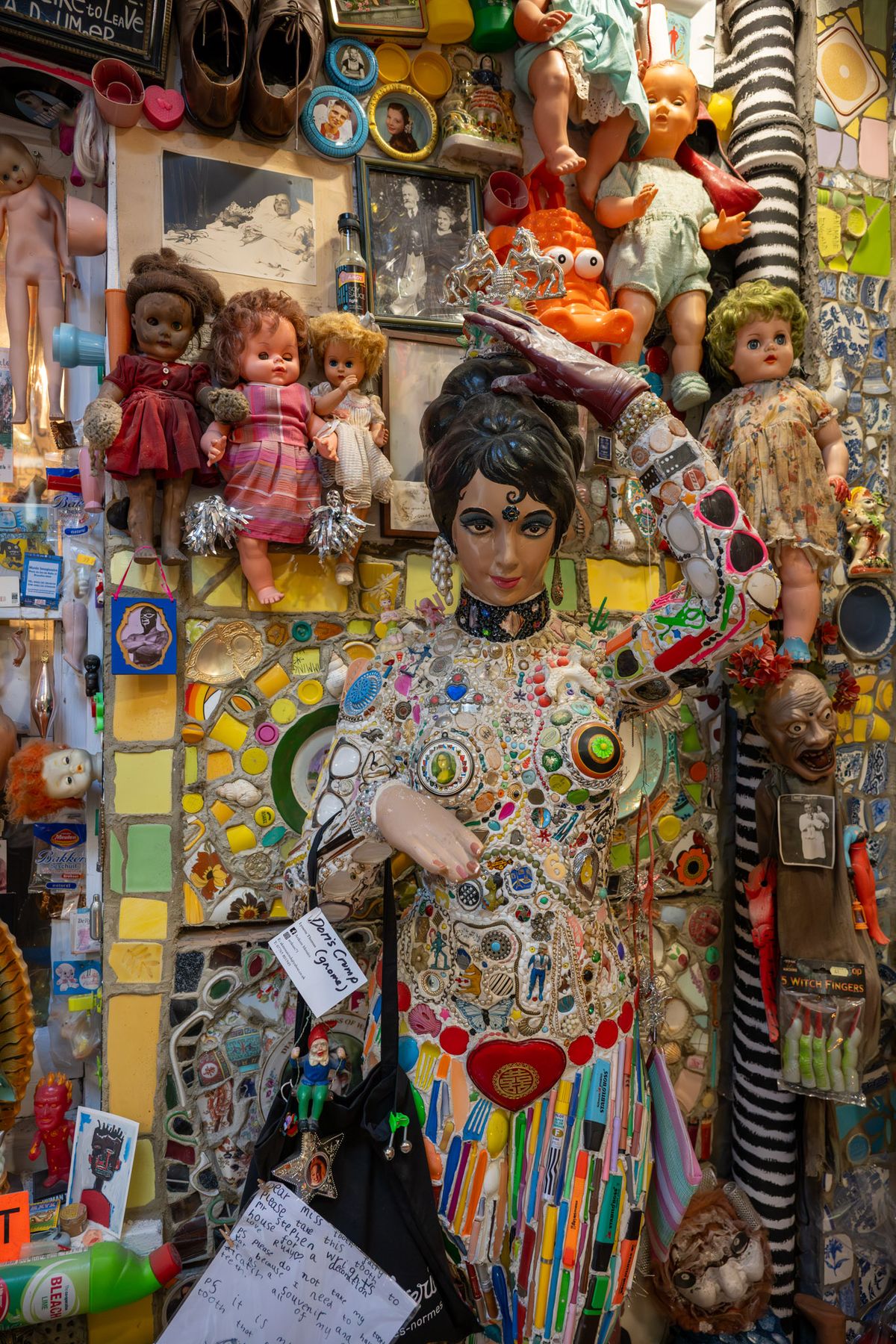
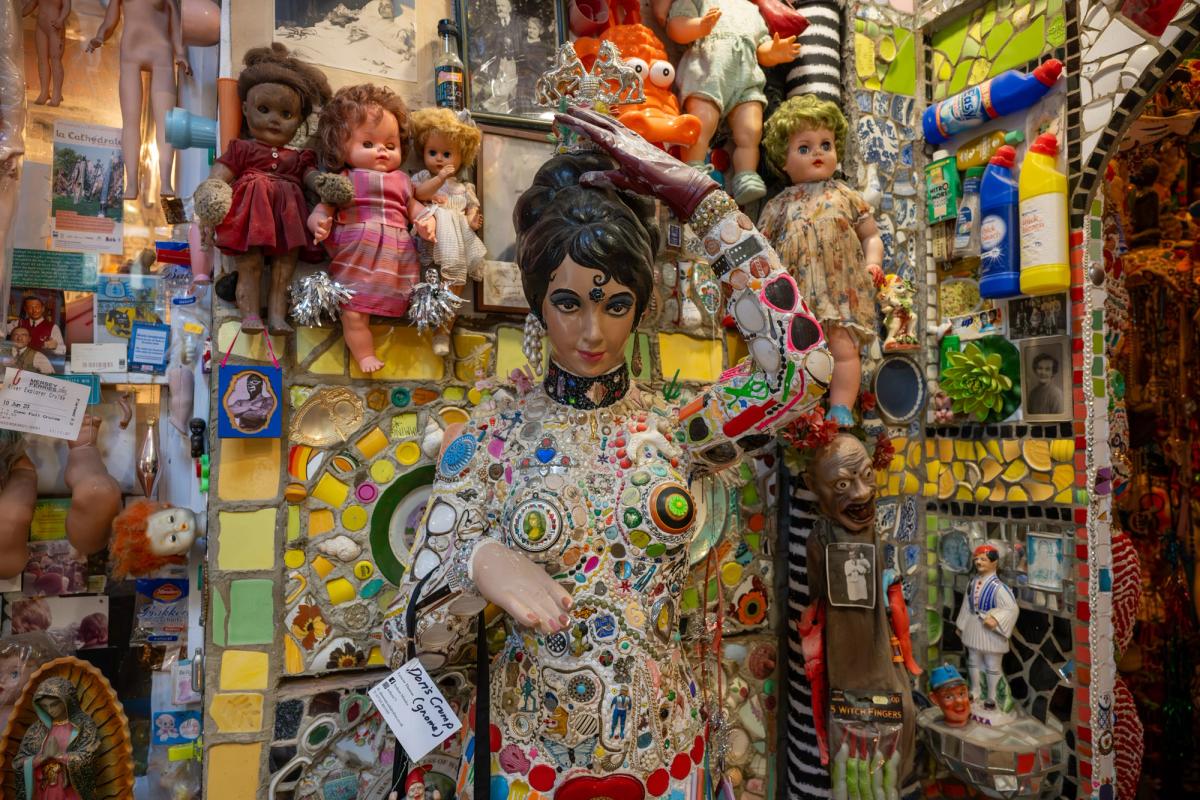
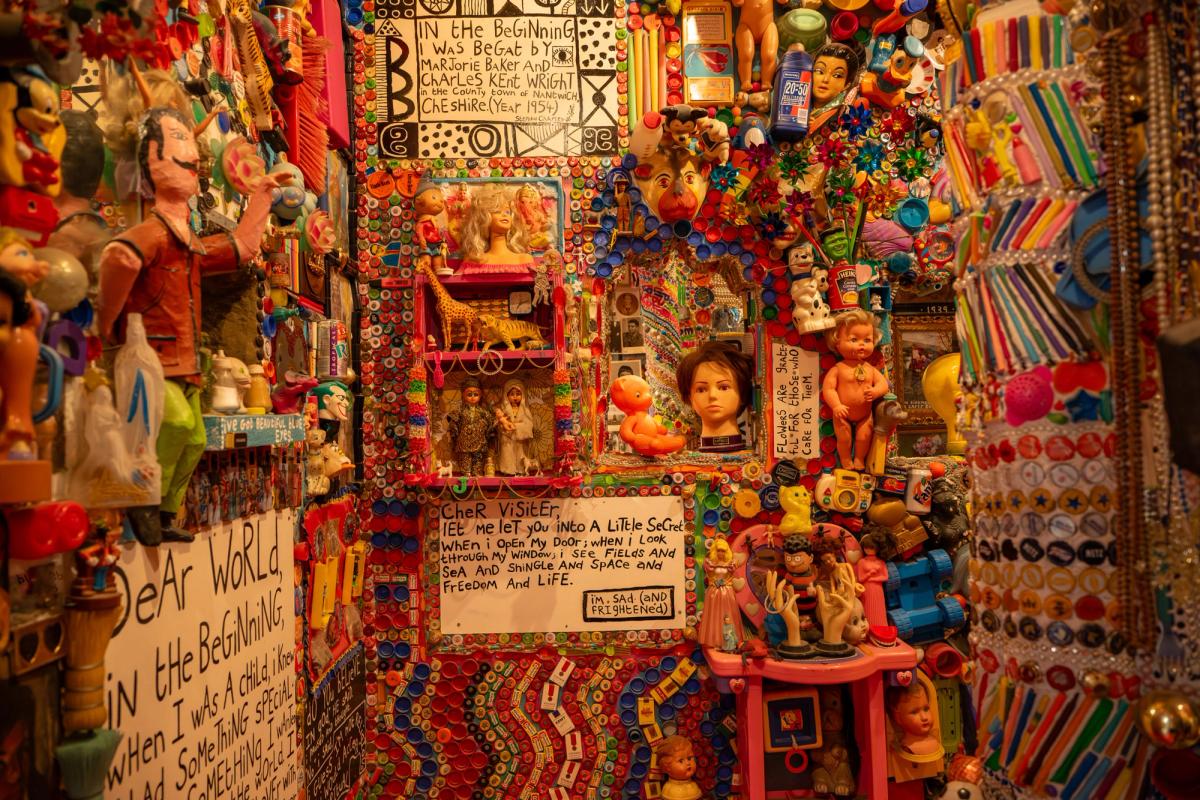
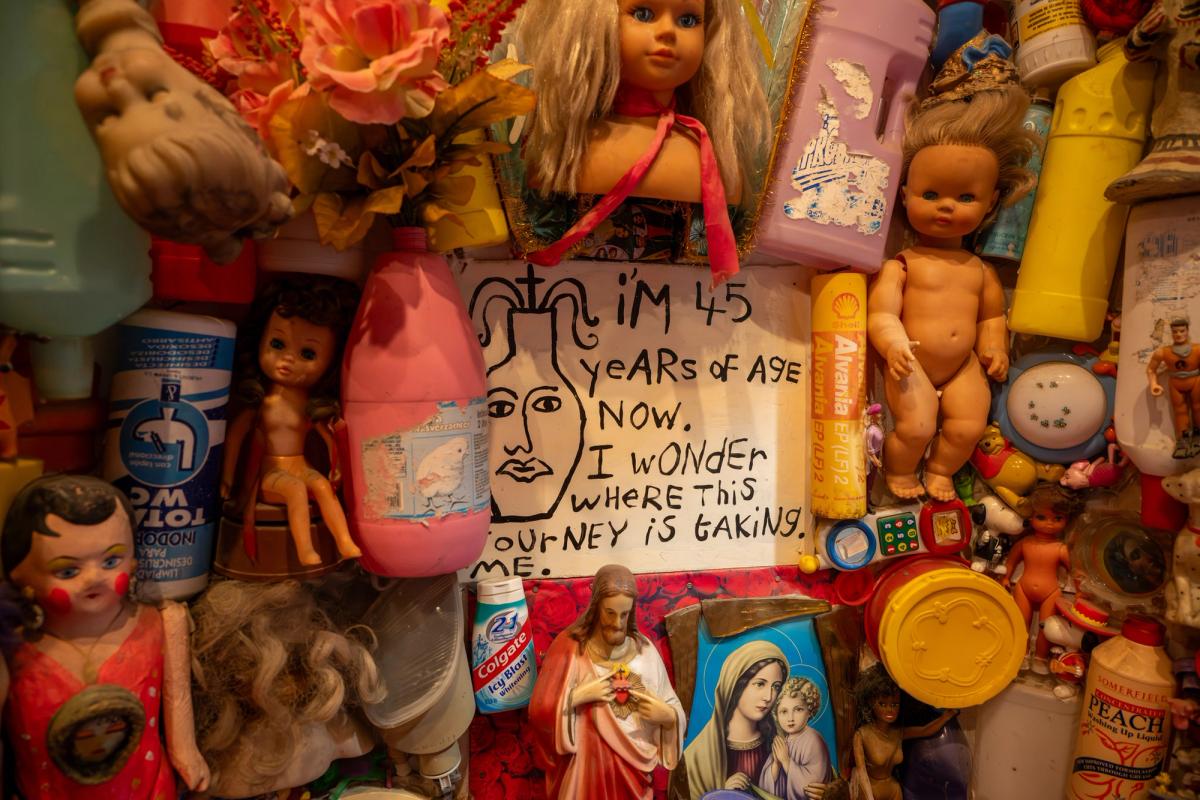
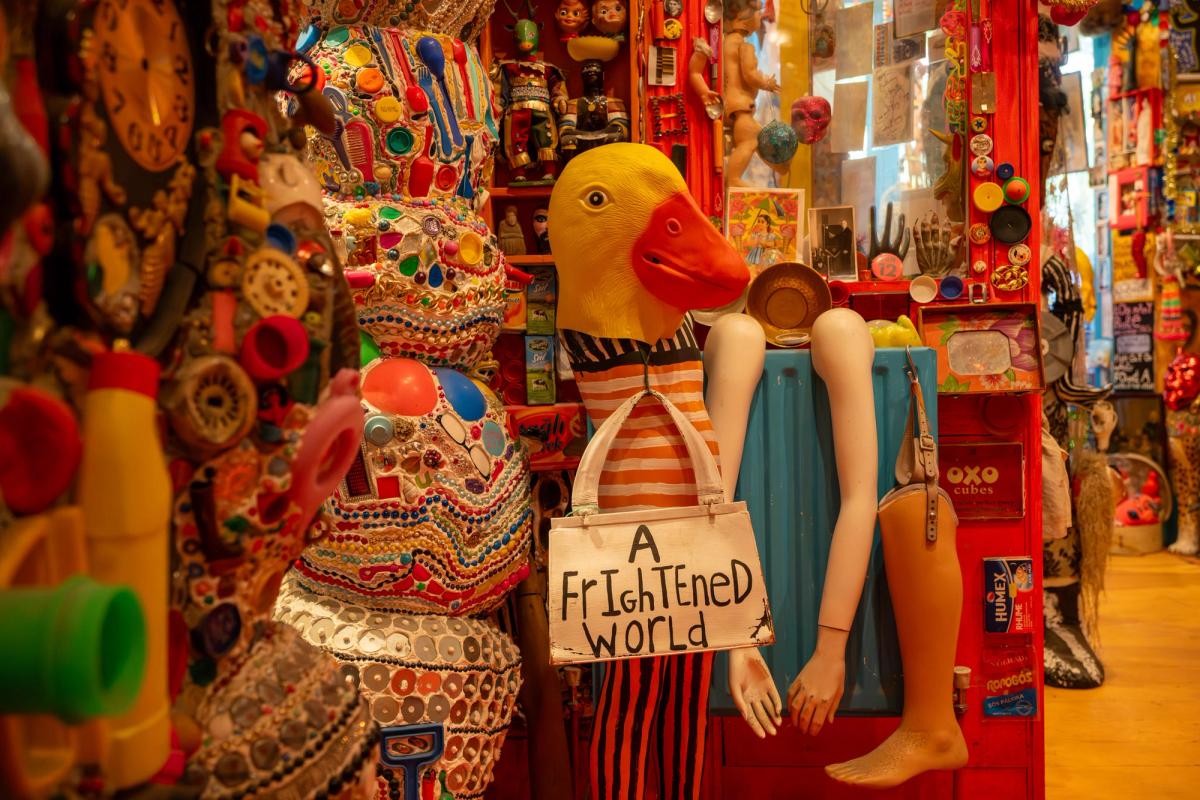
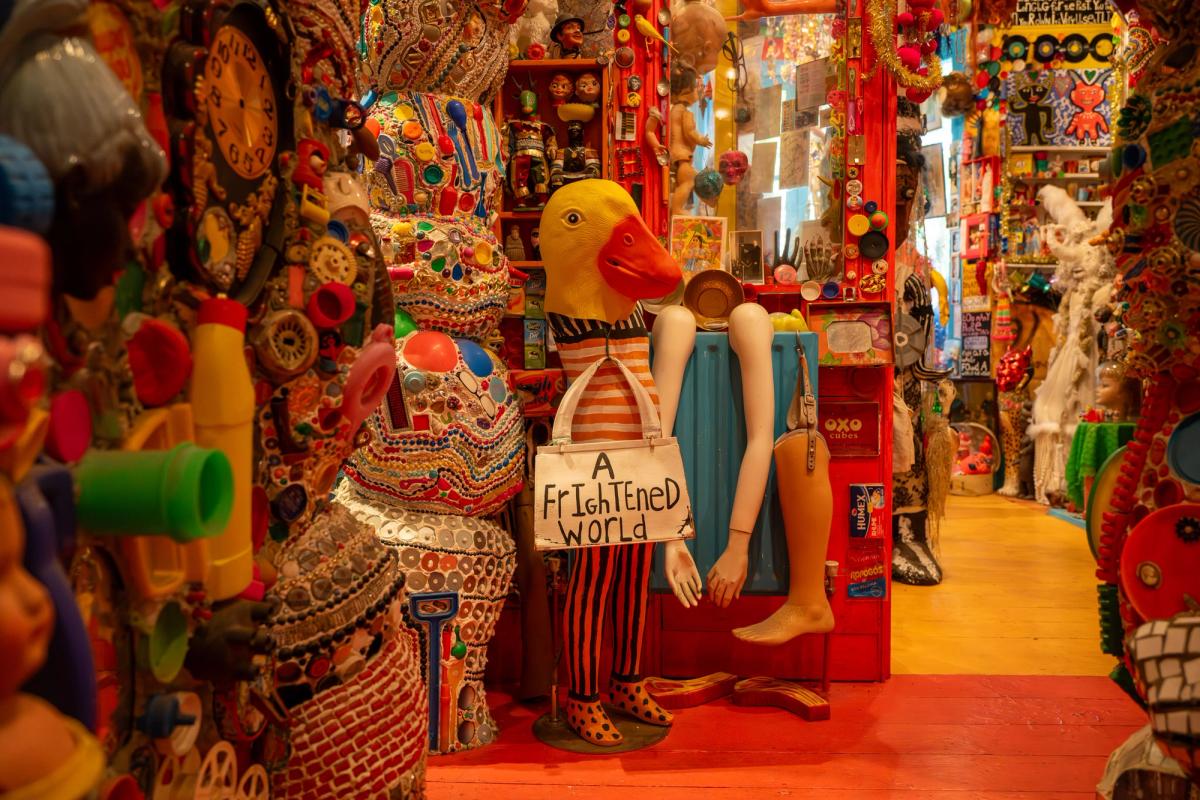
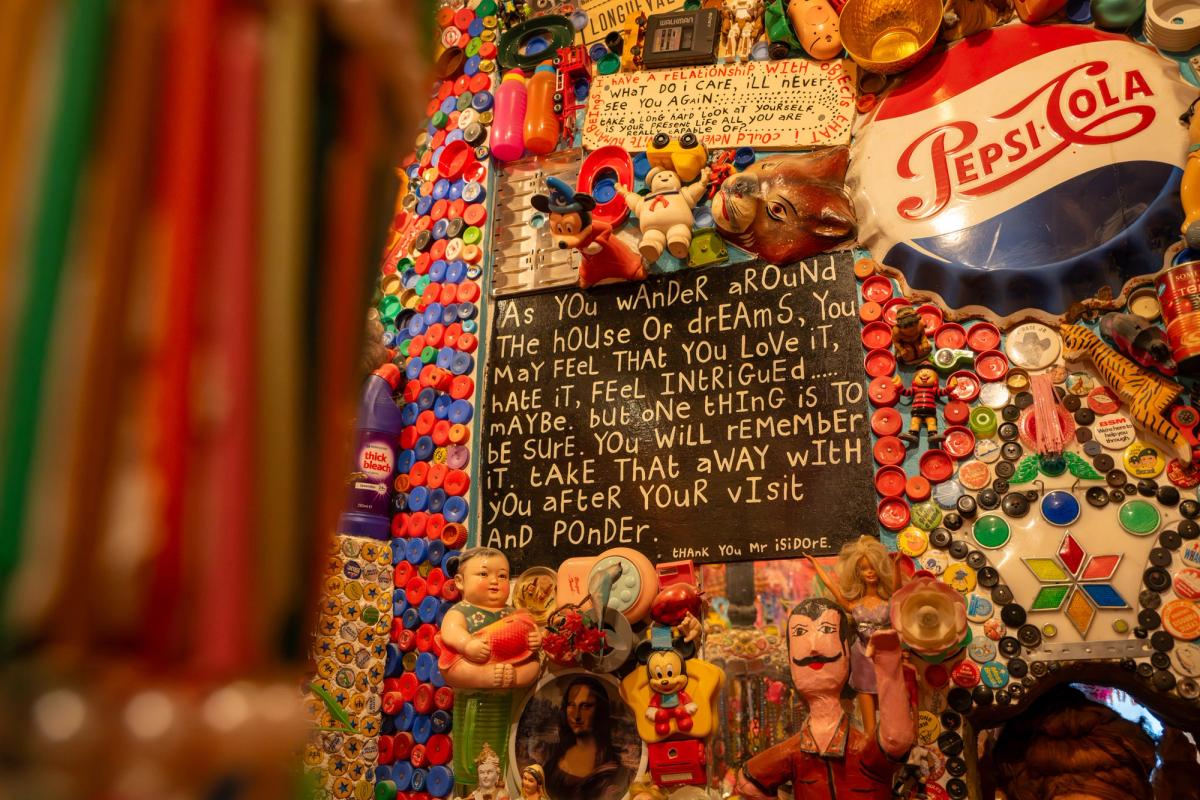
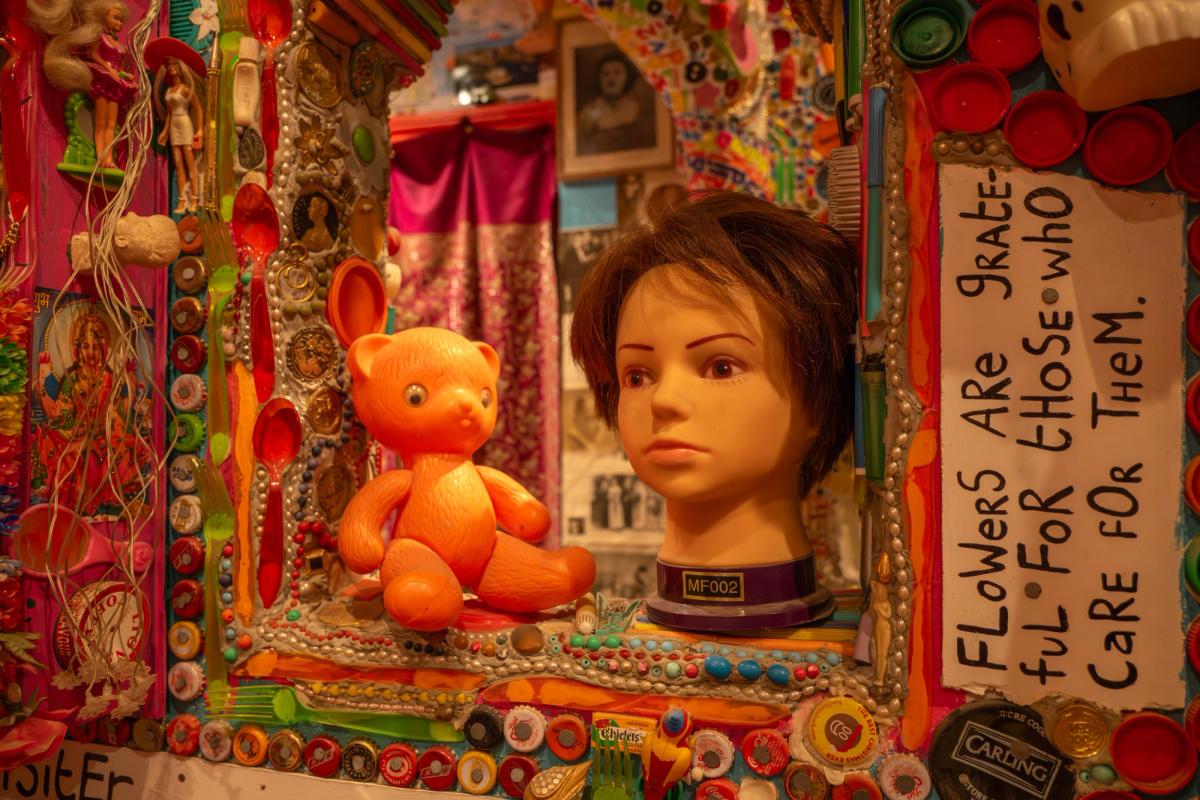
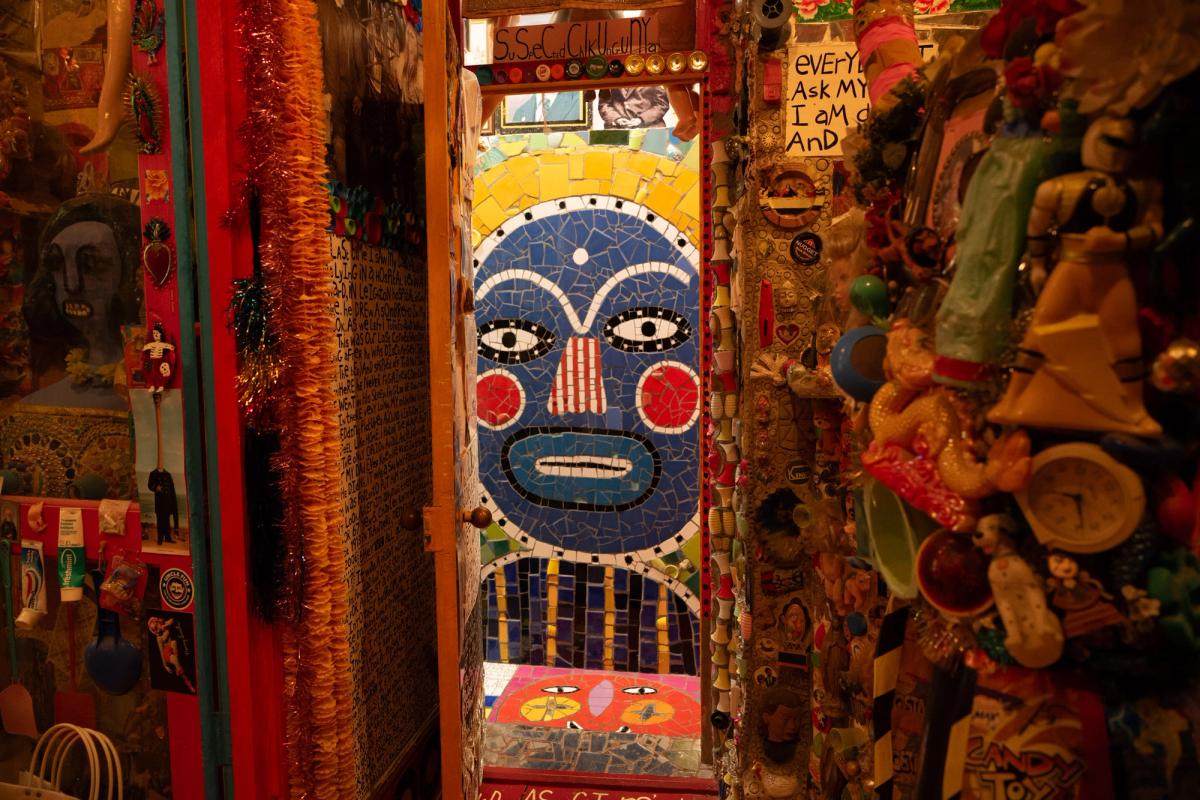
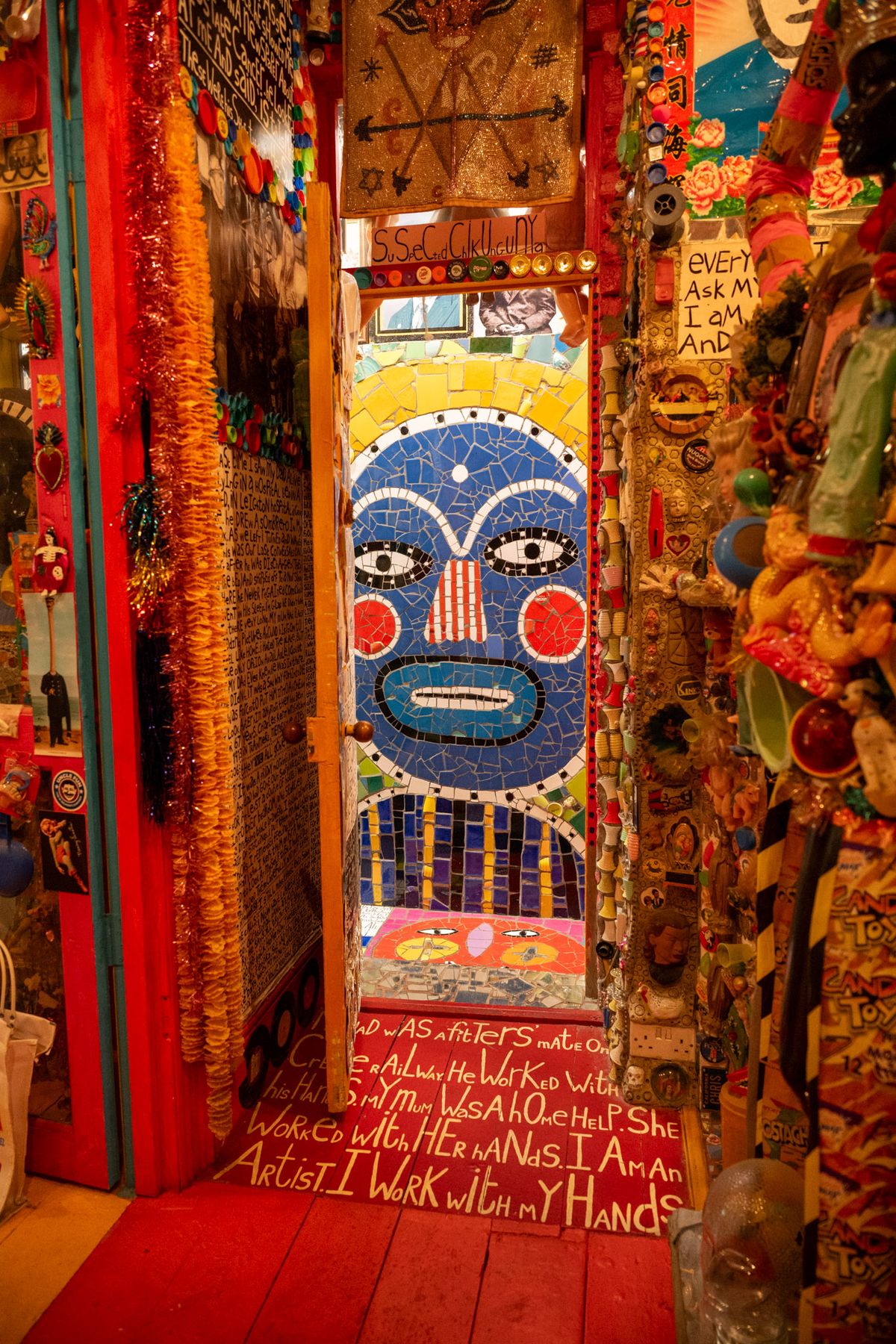
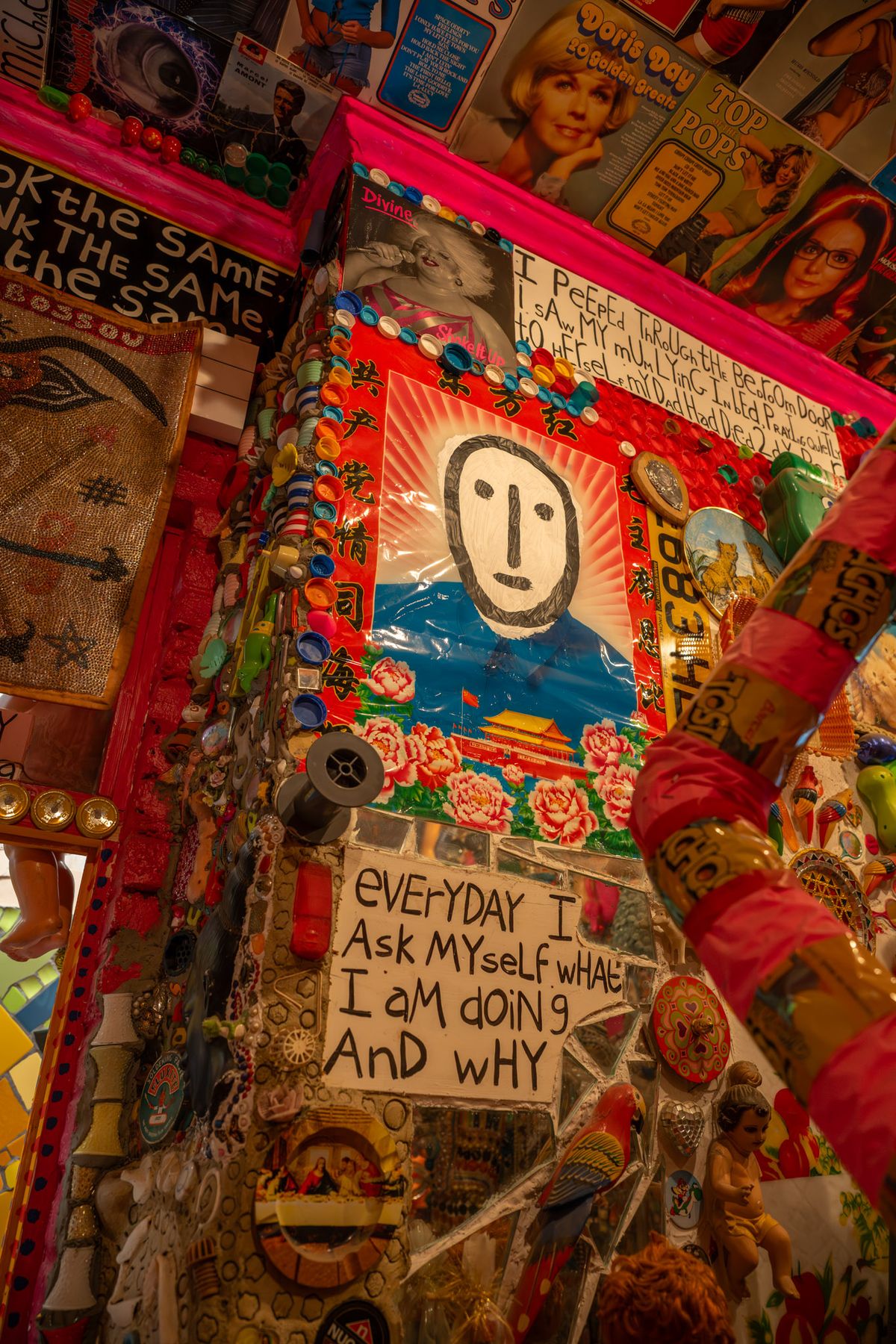
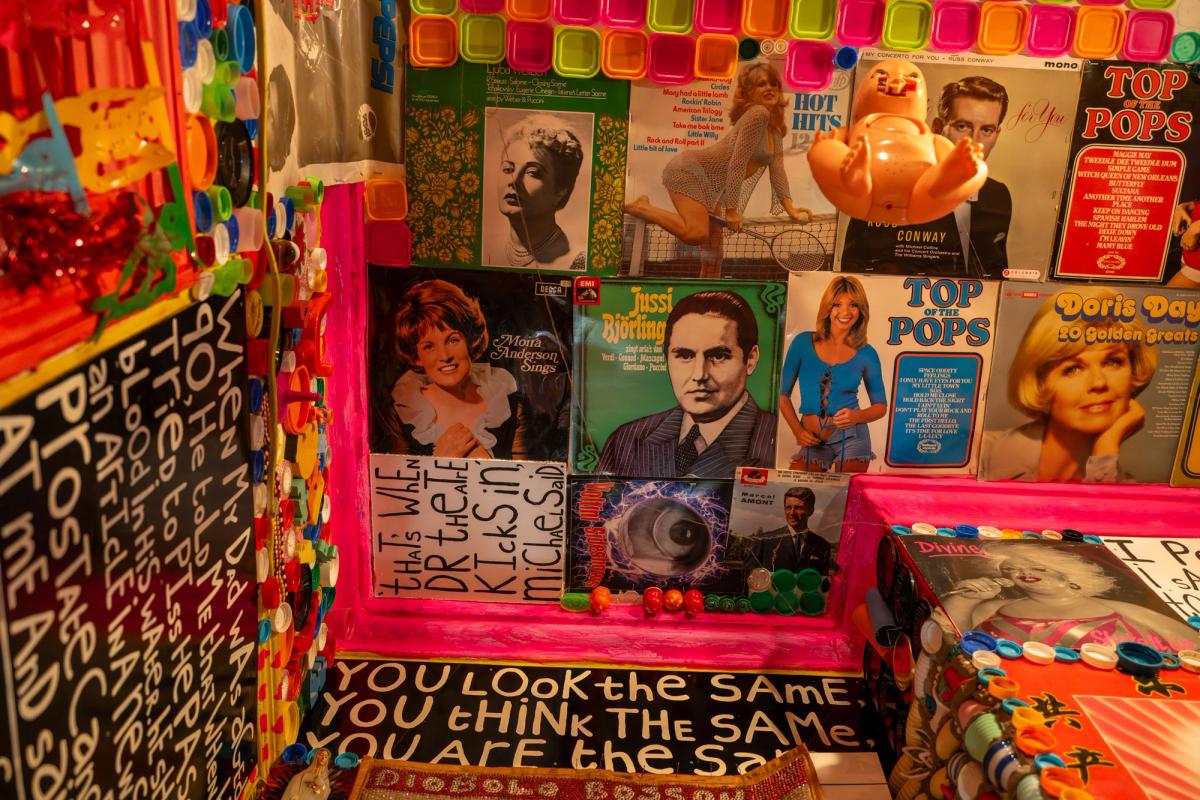
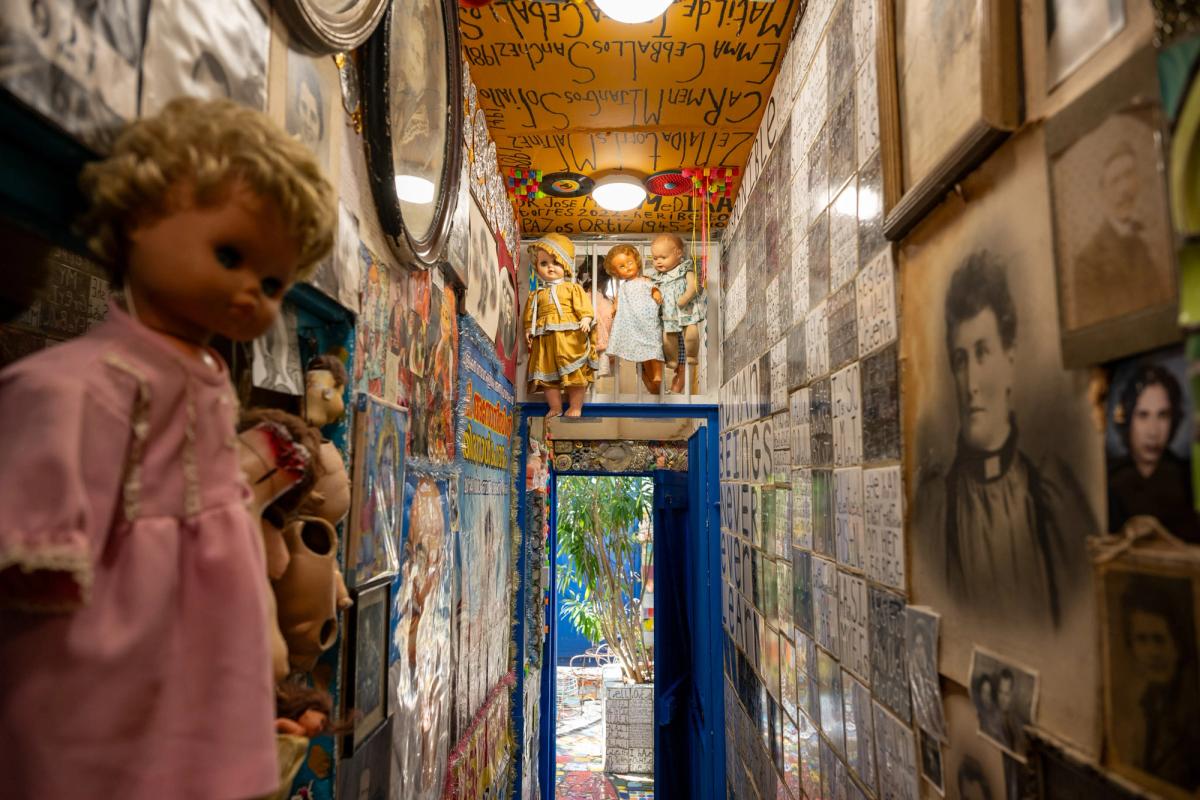
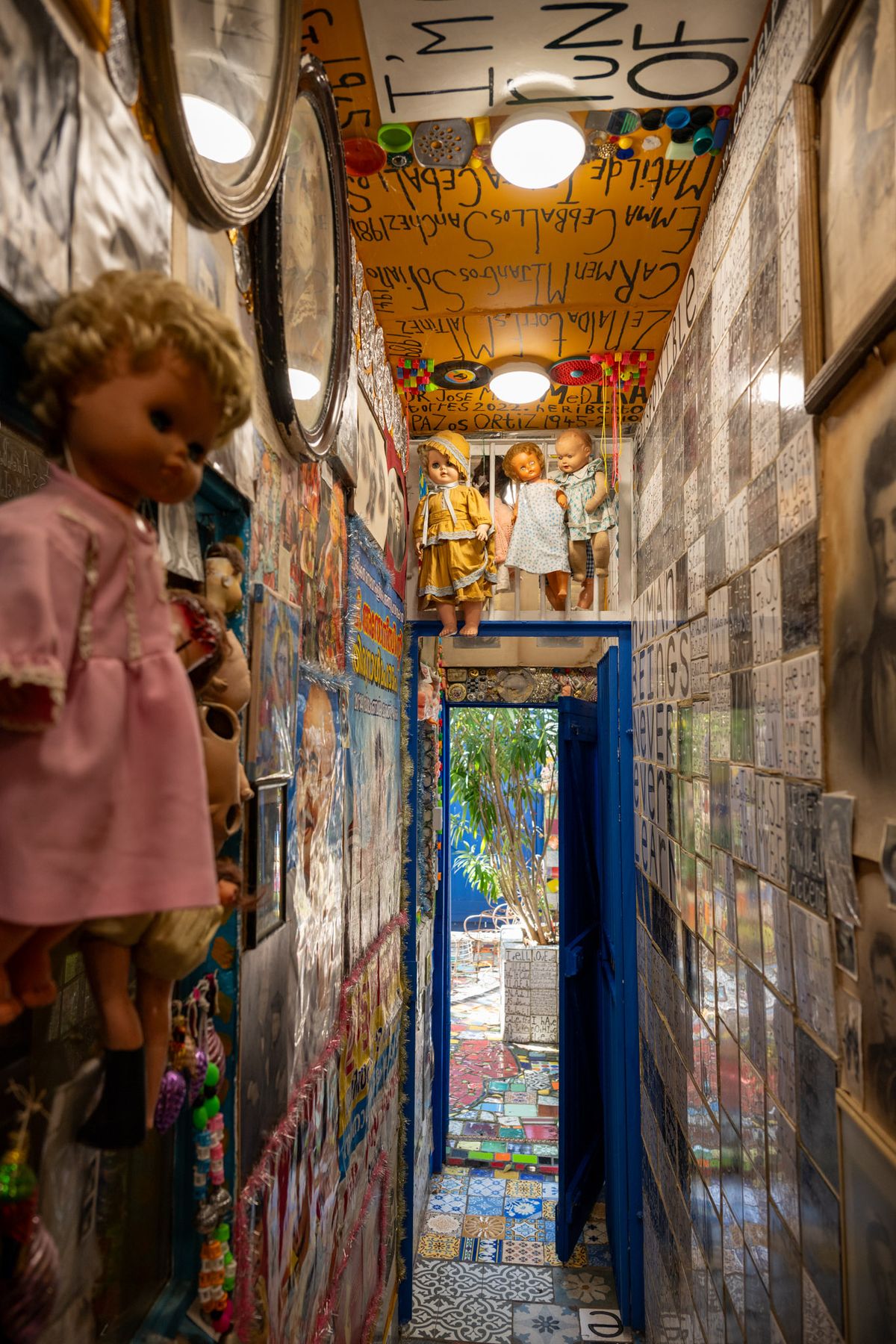
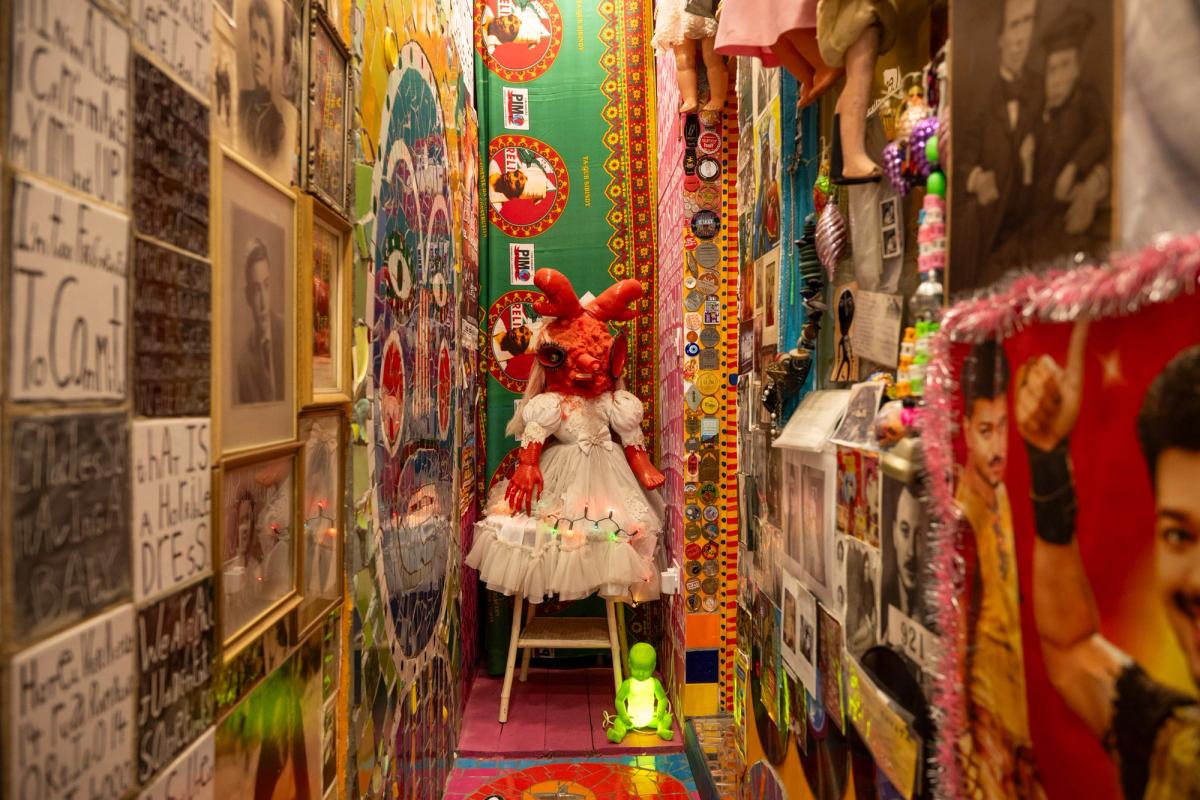
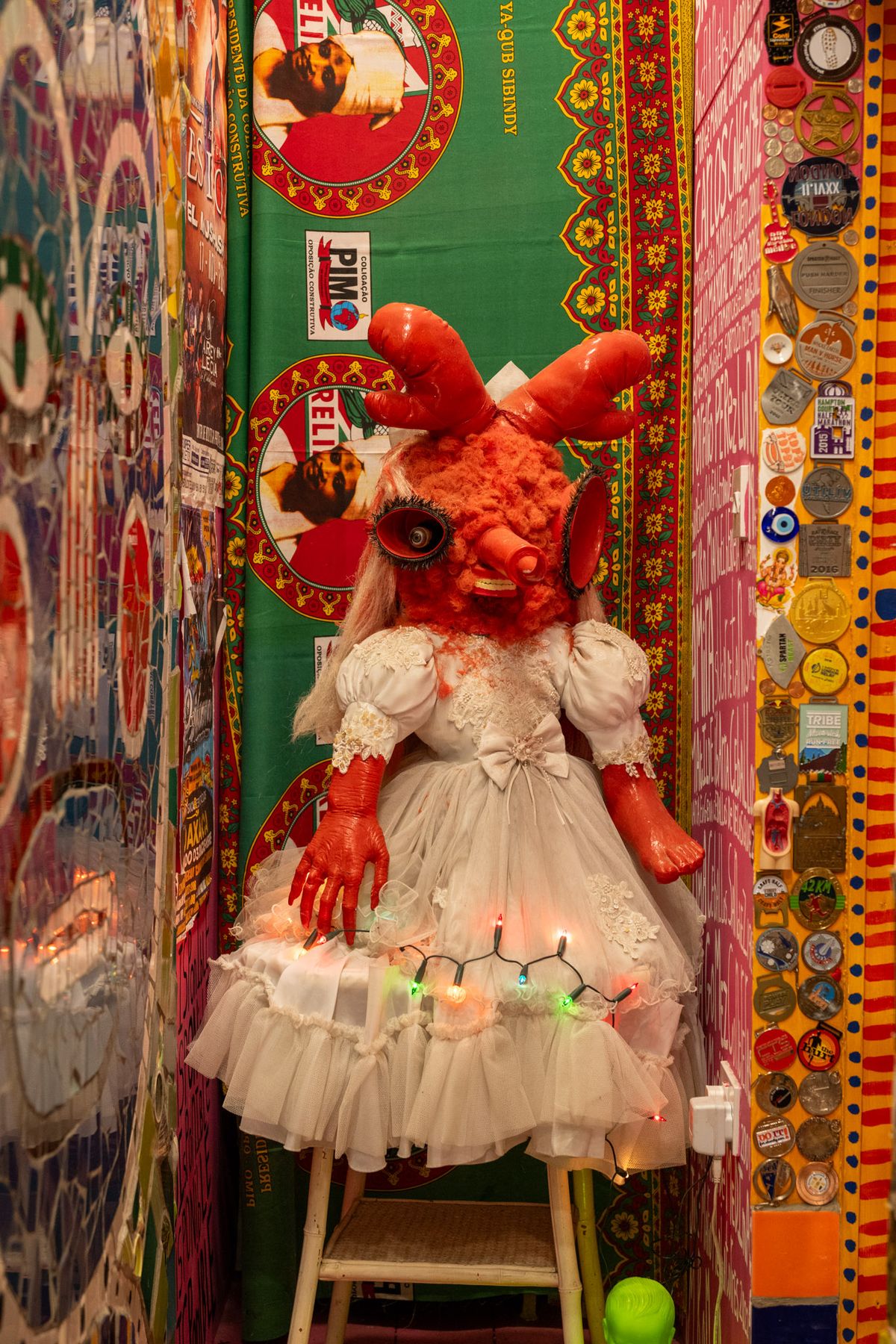
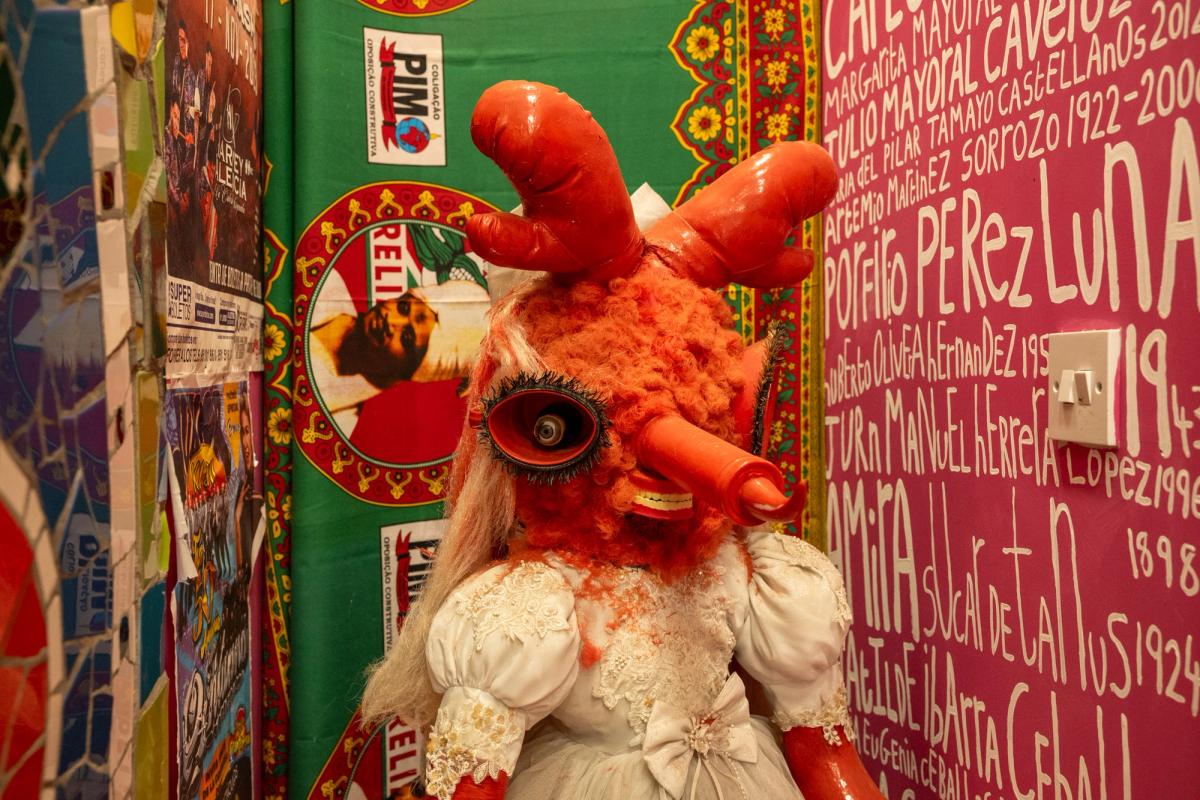
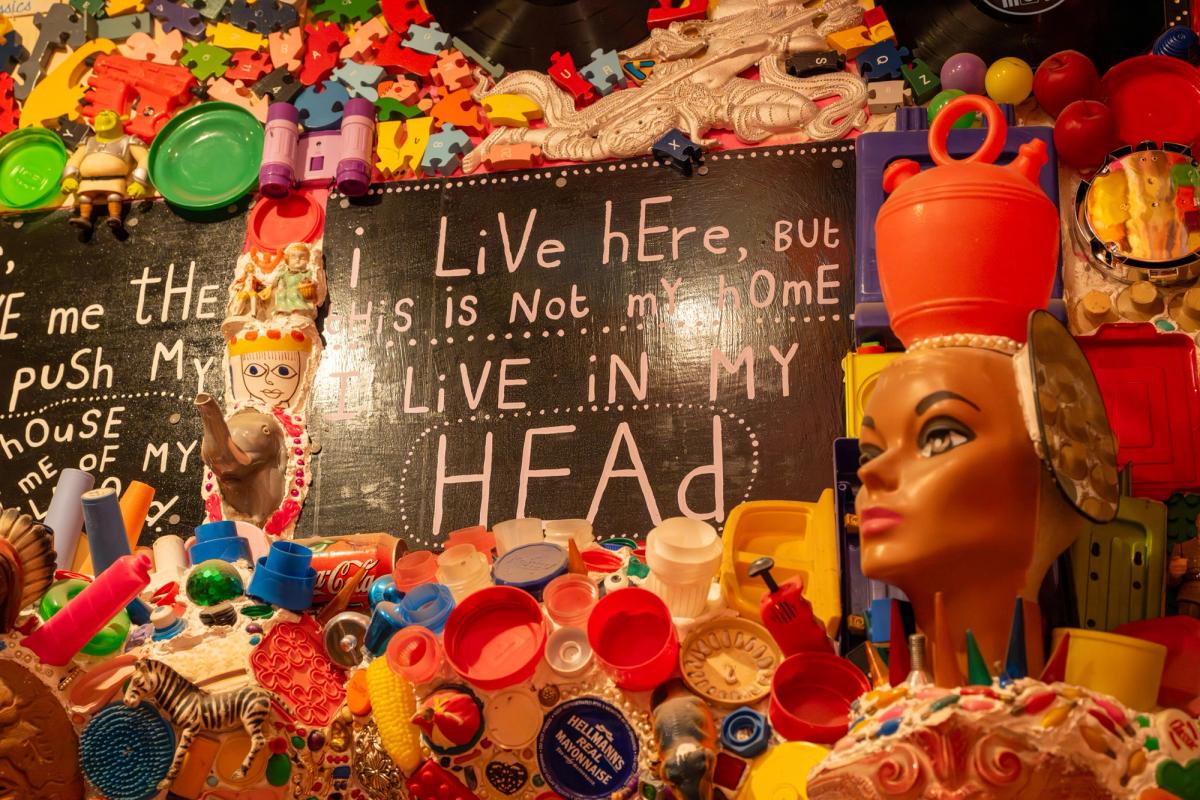
From the outside, it is a house in South London. Inside, it becomes something else entirely. Walls, ceilings, garden surfaces and domestic rooms have been covered with mosaics, sculptures, dolls, relics, fragments, text and found objects, gathered over decades from markets, travels, donations and private history. It is not a conventional home, nor a museum in the usual sense. It is an artist's environment, a record of a life, and a place where the unwanted is given intense attention.
Wright introduces it as the House of Dreams Museum, but the name does not fully prepare the visitor for the force of it. The experience, he suggests, might be better described by those who come through the door: overwhelming, honest, direct, emotional, exciting, challenging, colourful and thought-provoking. At its centre is a question that belongs to any serious conversation about houses: what does home hold for us, and what happens when home becomes the place where life is processed rather than escaped?
A house built from instinct
The House of Dreams Museum began in 1998, influenced in part by outsider art environments and by makers who transformed their homes and gardens without waiting for permission from the art world. Wright is careful to distinguish himself from an untrained outsider artist. He studied for years and has worked across design, textiles and art, yet outsider art gave him a liberating sense that there is no fixed right or wrong, only the necessity of making.
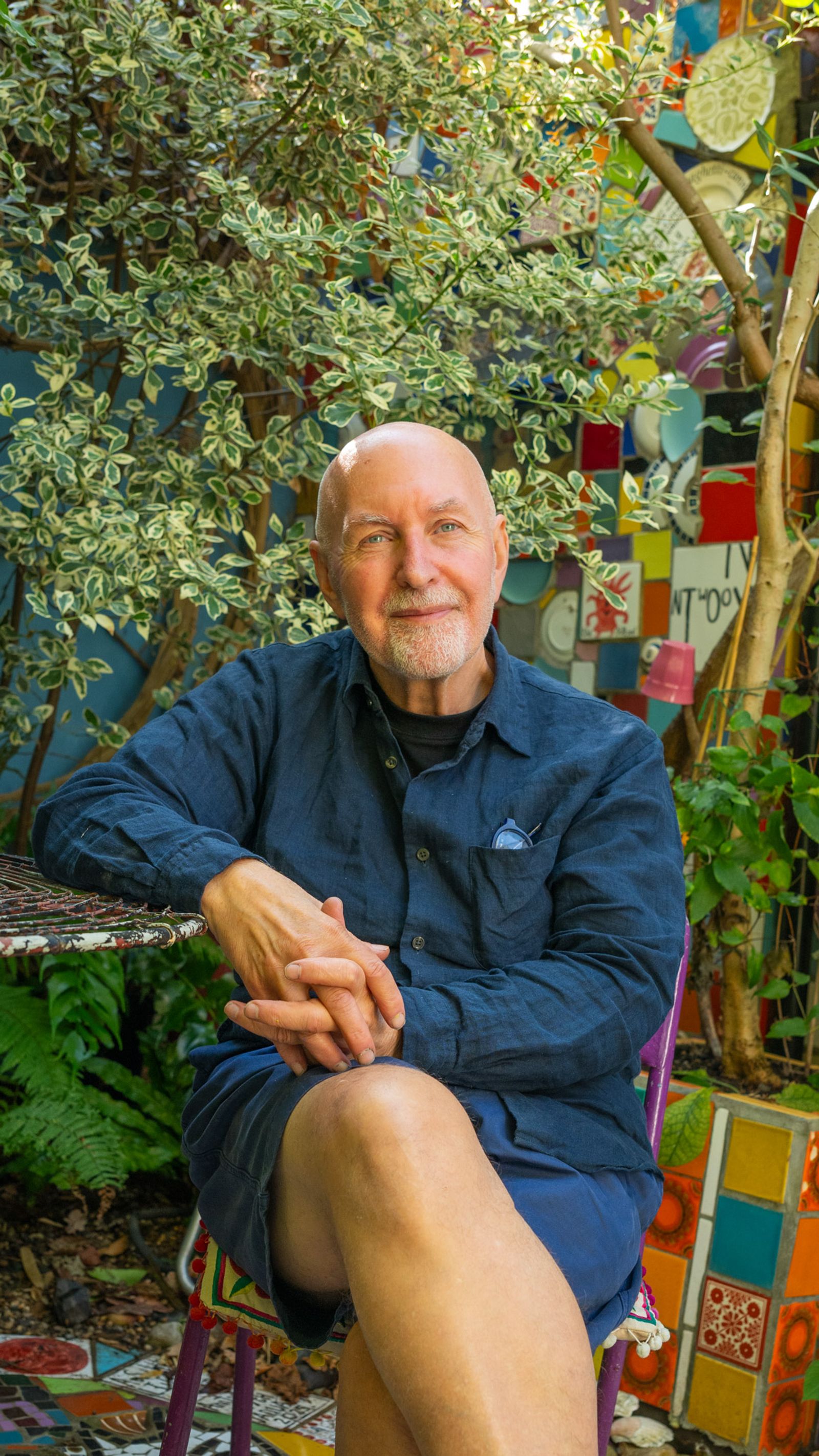
That freedom runs through the house. Wright says he often does not know what he is doing while he is doing it. He begins, follows an instinct, and eventually finds that an environment has appeared.
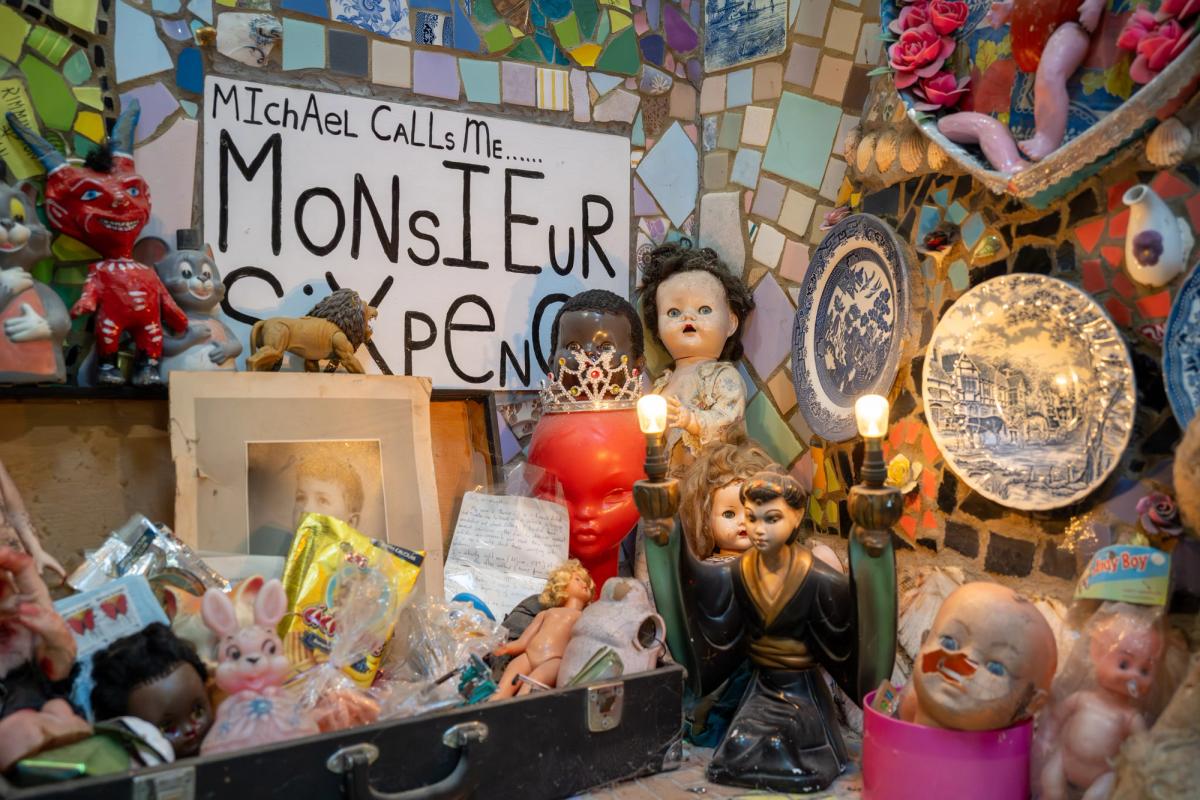
Objects arrive because they speak to him. Some come from India, Mexico, Haiti, Bolivia and Paris, places to which he feels a deep connection. Others are brought by visitors who want to leave something behind from a loved one. There are love letters, hair, teeth, clothes, dolls, glasses, fragments and personal relics, many of which might elsewhere have been thrown away. In Wright's hands, they are not cleaned into politeness. Their wear, damage and previous use are part of their power.
He is drawn to objects that have had a life before. The human contact matters. A mark, a break, a stain, a smell, a tear in fabric, the trace of use: all of these suggest that the object has passed through other hands, other rooms, other griefs, other daily lives. It is this prior existence that gives the house its charge.
A home for the discarded and unwanted
On his official website, Wright describes the House of Dreams Museum as a diary of his life, shaped by love, loss, childhood bullying, trauma, joy, travelling and moving forward. He also calls it a home for the discarded and unwanted. That phrase feels central to the project because it applies not only to objects, but to emotion.
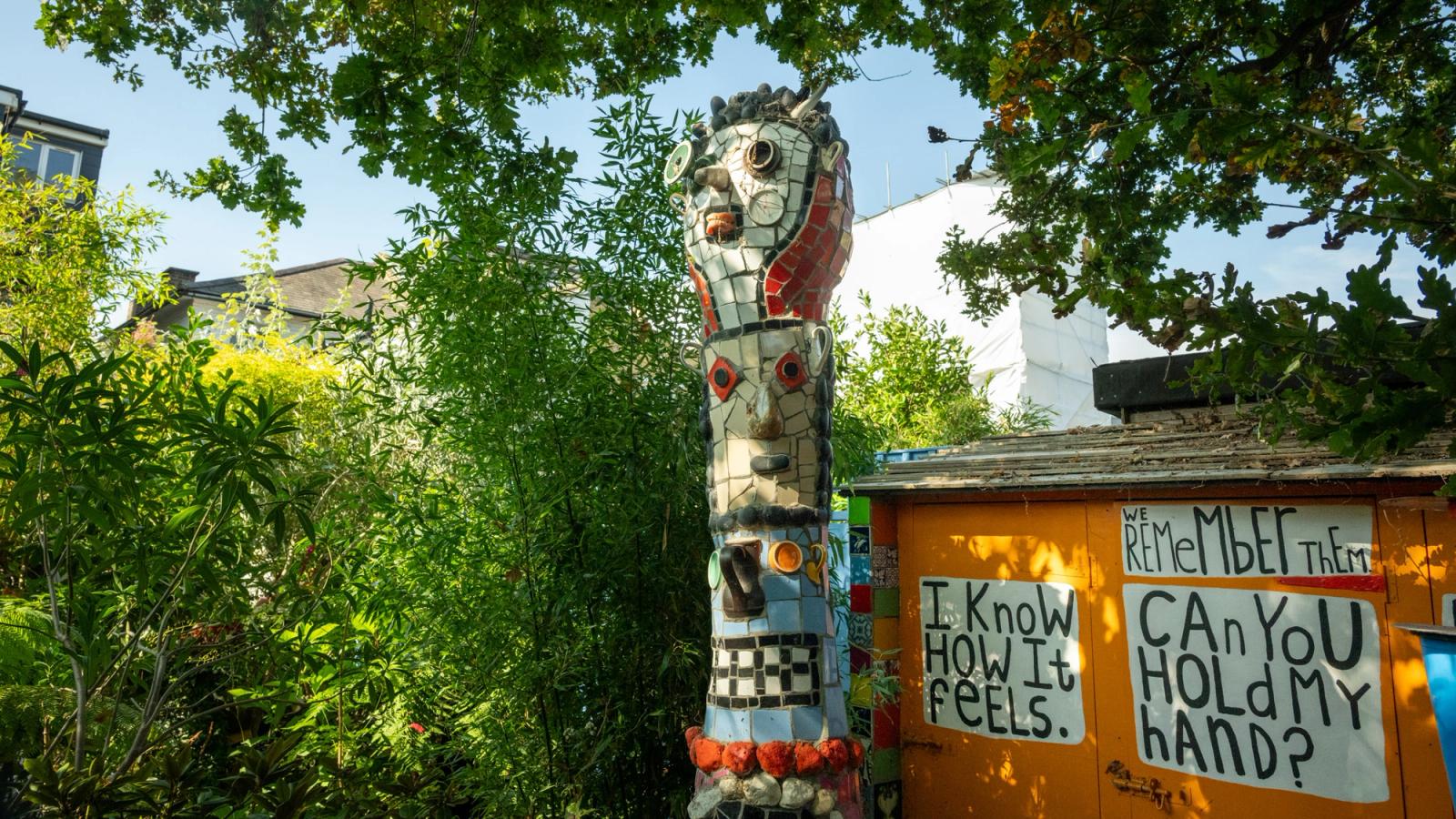
The house gathers what might otherwise be rejected: broken dolls, dental moulds, old clothes, personal relics, market fragments and memories too difficult to carry in ordinary language. The result is not sentimental. It is rawer and more direct than that. Wright's process allows things to remain strange, damaged, funny, unsettling or tender, often all at once.
In the interview, he returns repeatedly to the idea that the house is about love and loss. Visitors sometimes bring objects connected to people they have lost, and he finds it hard to refuse them. A single object may be small, but once fixed into the fabric of the house, it becomes part of something communal.
It is not simply Stephen Wright's story. It is also a container for other people's stories, even if those stories are only hinted at by a lock of hair, a handwritten note or an object whose owner is no longer here.
Making work from loss
The House of Dreams did not begin as an act of mourning, but grief changed it. Wright began the project with his previous partner Donald, who died around two years later. His parents also died, and the house shifted from a decorative environment into something more personal and more necessary.
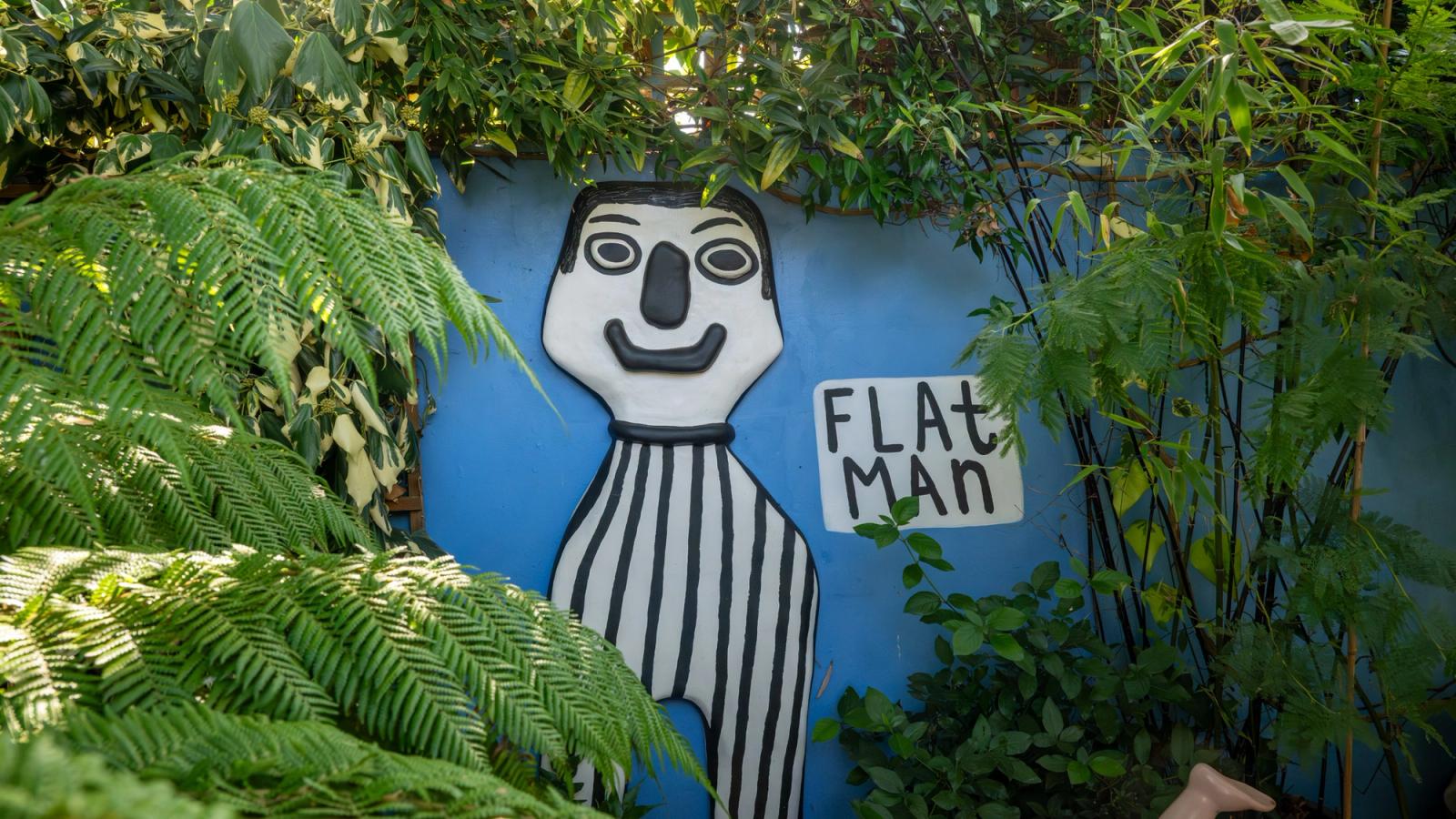
He describes making work as a way of dealing with loss. He would write about difficult things, stick them to the wall, turn emotion into sculpture or memory boards, and leave that burden there. The house became a support system before he had fully understood that art could work in that way.
This is perhaps why the House of Dreams has such emotional density. It is not grief displayed at a distance. It is grief worked through by hand: cemented, written, glued, stitched, mosaicked, repaired and layered. Houses do not only hold entertaining, sleeping, cooking and work. They hold shock, change, recovery, identity and loss. The House of Dreams makes that usually hidden function visible.
Home as a safety room
Asked about home, Wright does not offer a simple answer. In fact, he resists one. He says he feels more at home in Mexico, India and Paris than he does in South London. He speaks of London as a place he lives, a city that allows the world to come to him and his work, but not necessarily the place where his deepest sense of belonging resides.
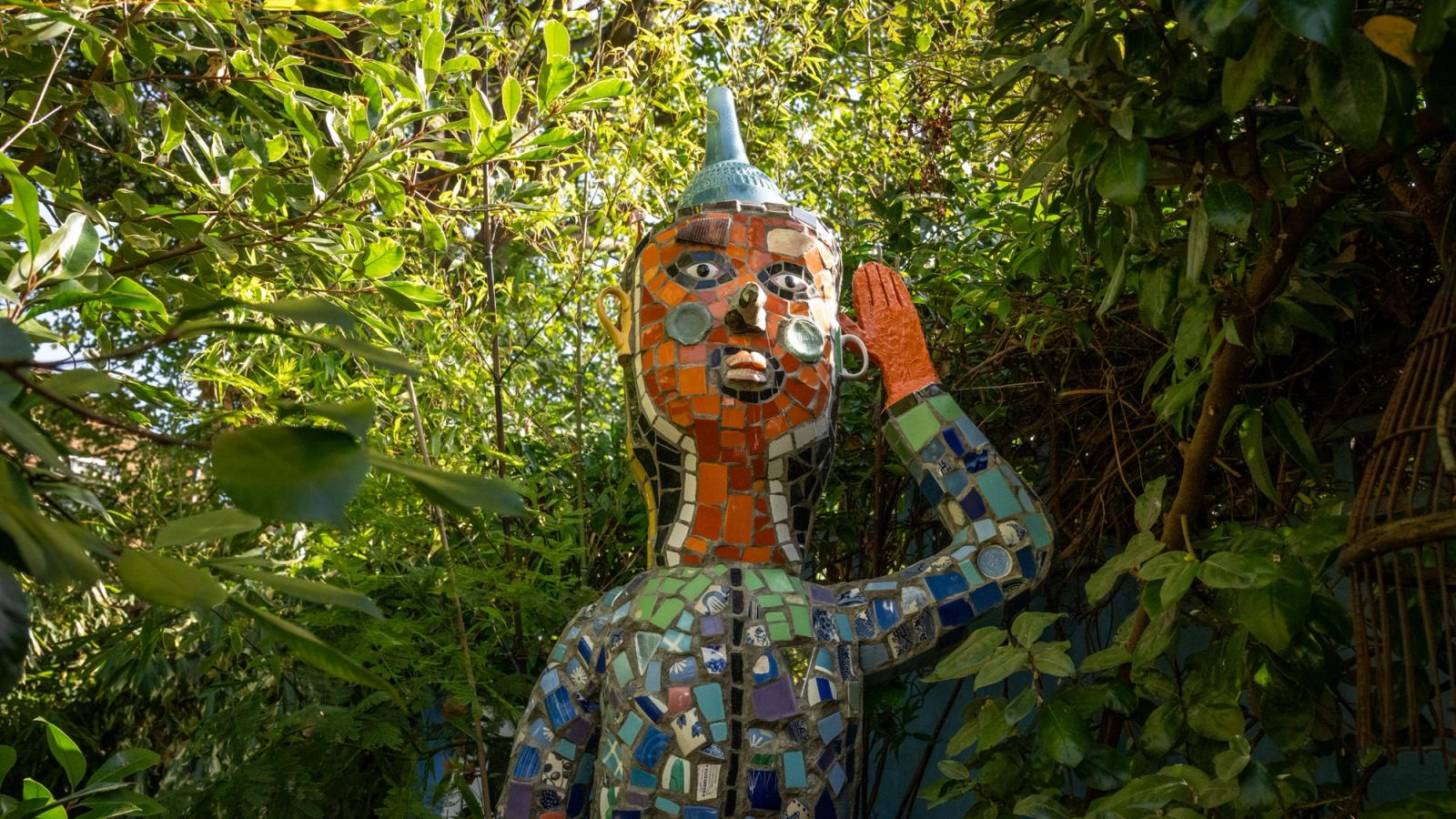
And yet the House of Dreams is also described by him as a kind of chosen safety. He says he wants to live in “a safety room” of his own making, a place where the outside world can be held at bay. Later, he calls the house “a womb, a safety womb”, somewhere to hide from the world and its problems.
That tension is fascinating. He owns the house, lives there, works there, opens it to visitors and has given it decades of his life. But he also says that home is complicated, and at one point admits that he does not really know what home is. Rather than weaken the story, that uncertainty makes it stronger. It recognises what many people feel but rarely say: home is not always one place, and ownership is not the same as belonging.
The House of Dreams may not answer the question of home. It stages the question, over and over, in plaster, tile, text, colour and object.
Permission, play and self-expression
For Wright, one of the messages of the House of Dreams is permission. He wants visitors to understand that the house is about freedom and self-expression, about giving yourself permission to do what you need to do, even if it looks incomprehensible to other people.
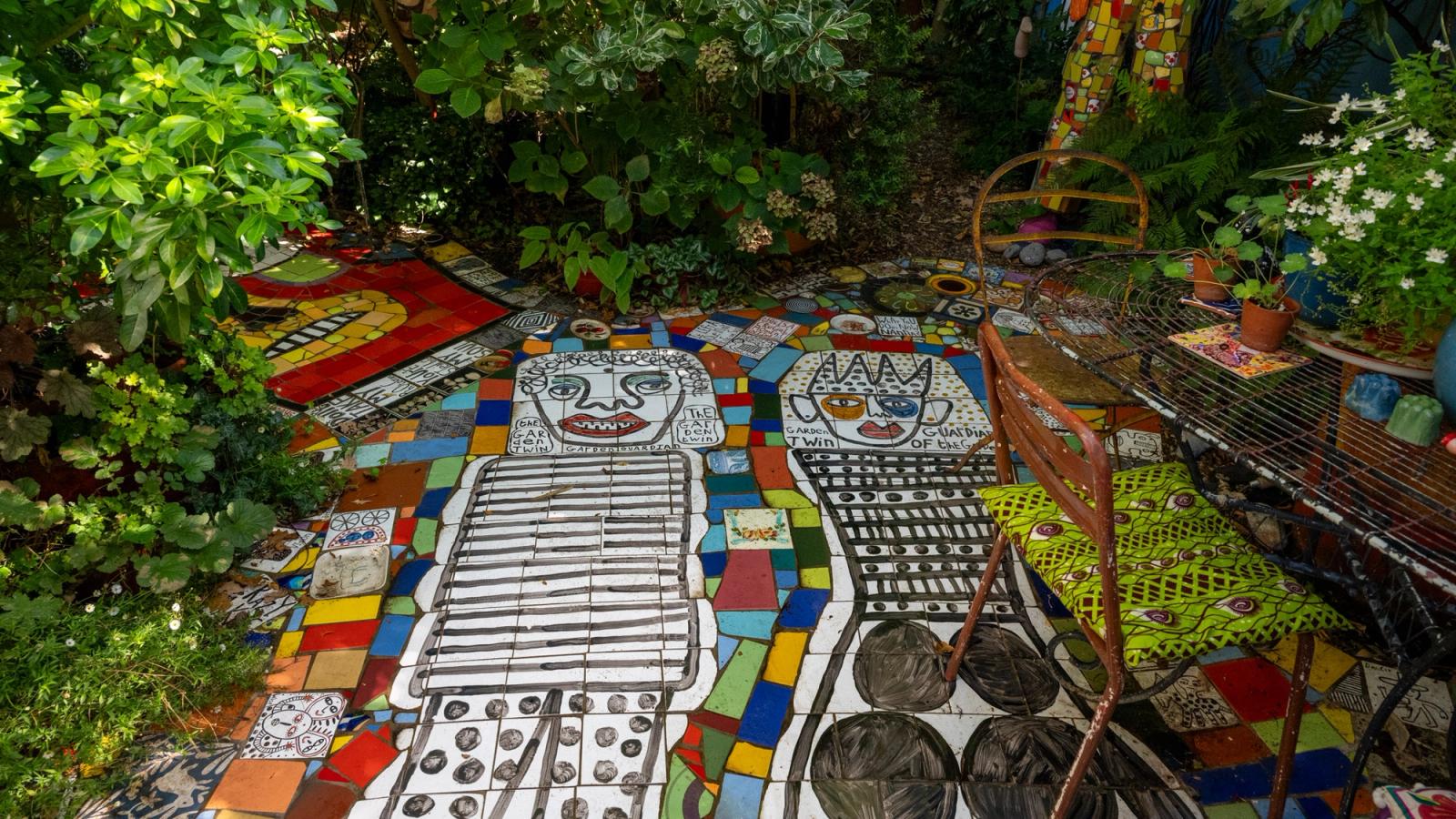
He sees how conditioned many visitors are when they arrive. Some wish they could be different, or do something different, but feel unable to step outside the shape of the life expected of them. The house argues against that hesitation through its very existence. It says that a person can build a world from instinct, found matter, memory and persistence.
There is a childlike element to this, and Wright welcomes it. He says the House of Dreams is about going back to childhood, to the time when making did not require explanation. The house allows play, mess, colour, impulse and surfaces that are never neutral.
The responsibility of a living environment
For all its freedom, the House of Dreams is also a demanding place to keep. Wright speaks frankly about the upkeep. Thousands of objects must be cleaned, floors mopped, cracks repaired, surfaces protected, and open days prepared. He does much of this himself, partly because he does not want anything broken.
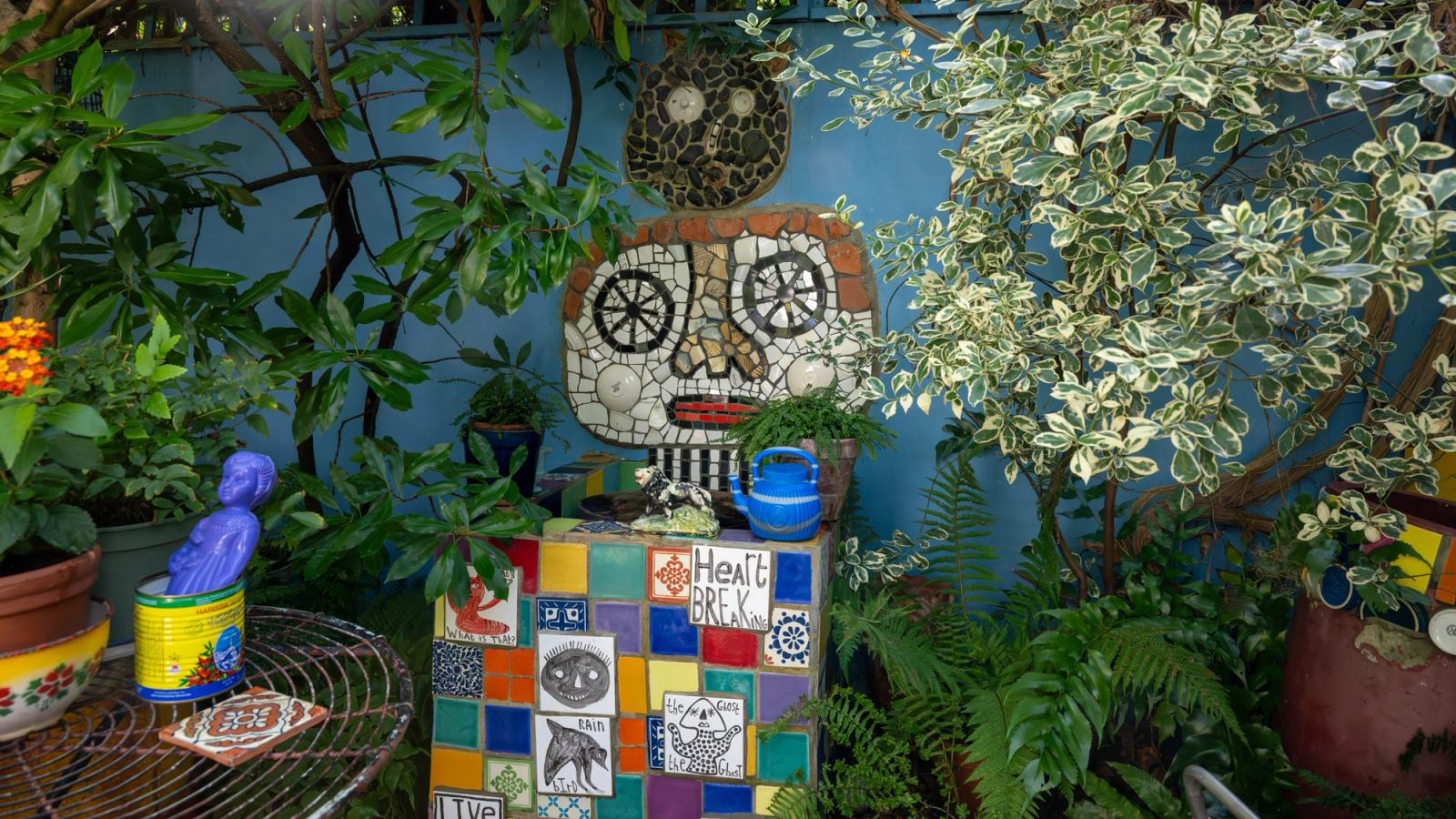
There is humour in the way he talks about it, but also fatigue. The house can feel, he says, like “a very demanding baby”. It can take everything given to it and still want more. That line reveals the other side of living with an artwork that has grown beyond the scale of a private project. It is beloved, but it is work. It is sanctuary, but it is also responsibility.
Wright works with his husband, Michael Vaughan, who supports him on open days and in the wider life of the house. The question of legacy now sits close to the project. The House of Dreams has been bequeathed to the National Trust, and Southwark Council also notes that the museum has been left to the Trust, but the practical future of such a singular environment requires ongoing thought and care.
It began in instinct, but it now asks for stewardship. The artist who once made impulsively must also repair, protect and plan. The object that was made as personal necessity has become a cultural responsibility.
What the House of Dreams tells us about home
The feeling of home at the House of Dreams is not simple comfort. It is not the polished calm of an arranged interior. It is something more complicated and more human: the feeling of being allowed to put the whole self somewhere, including the parts that are messy, grieving, playful, angry, tender, excessive or unresolved.
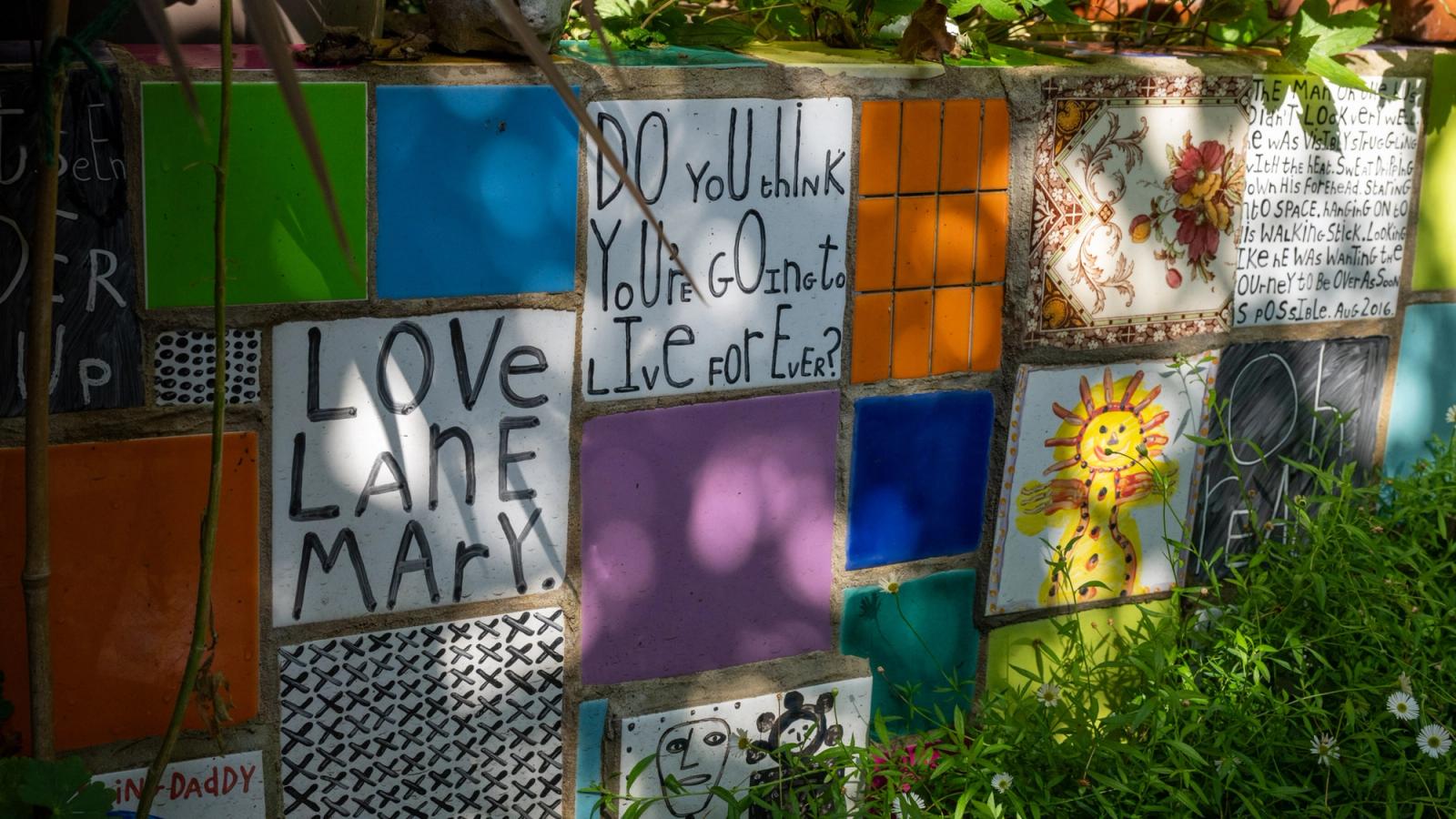
For some, home is where there is nothing to do. Wright says he can feel more at home in Michael's house in Camberwell because there is no creative work waiting for him there. At the House of Dreams, there is always something to do. Perhaps that is why it unsettles easy definitions. It is home, studio, burden, legacy and lifeline at once.
The house does not make a neat argument. It makes a world. It says that objects matter because people have touched them. It says that loss can become form. It says that childhood instinct may be worth returning to. It says that a house can shelter not by simplifying life, but by giving life somewhere to go.
That is the point at which the House of Dreams becomes more than a remarkable London curiosity. It becomes a meditation on home itself: not home as a finished room, but home as a place of permission, where memory can be set down and the discarded can be made visible.
What is home? Stephen Wright does not pretend to know. But at the House of Dreams, he has made one of the most compelling attempts to find out.
Visiting the House of Dreams Museum
The House of Dreams Museum is located at 45 Melbourne Grove, East Dulwich, London SE22 8RG. Visits are usually arranged through ticketed open days and booked time slots, so current availability should be checked through Stephen Wright's official website before planning a visit.
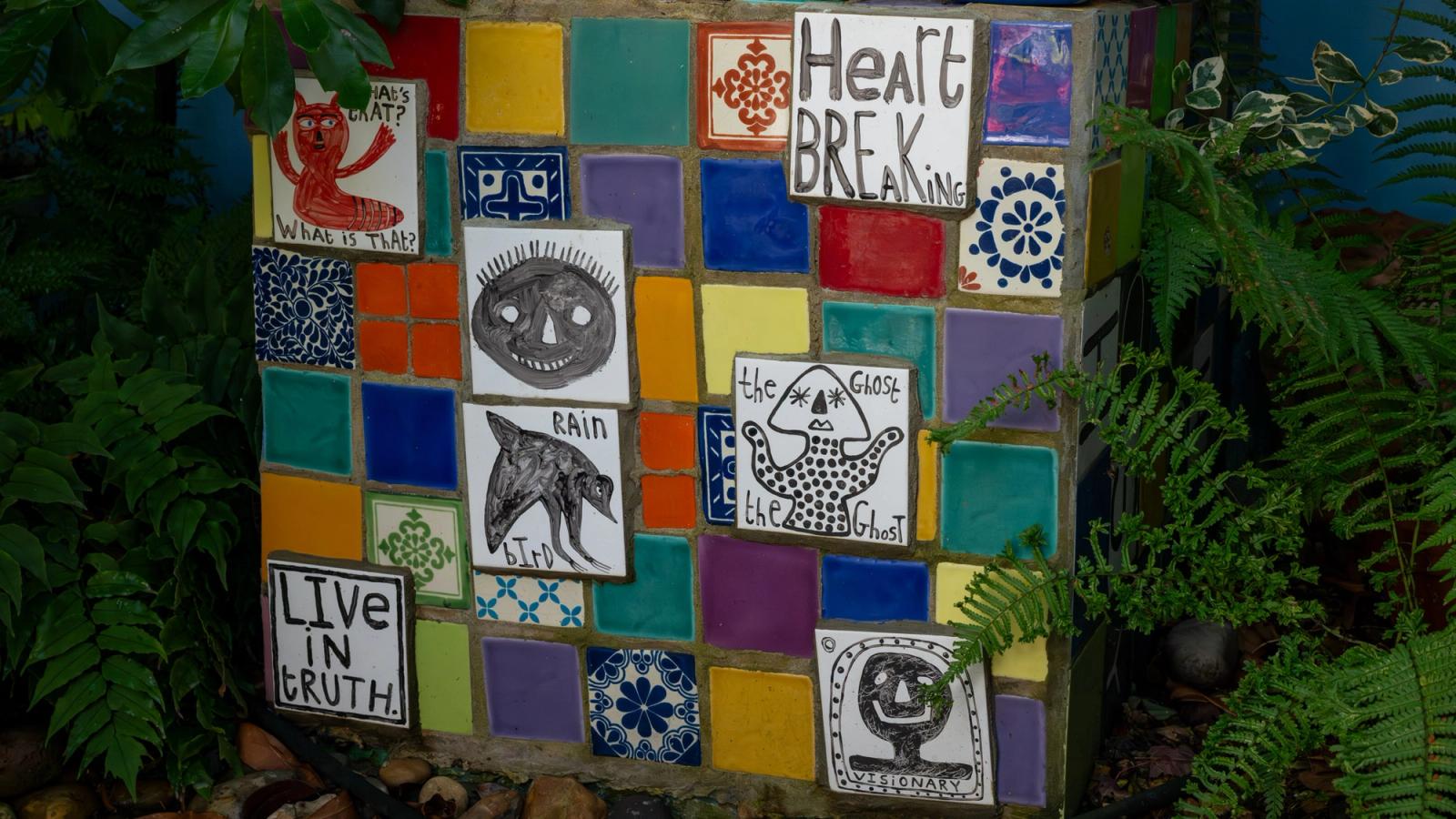
For those interested in artist homes, found object art, outsider art environments, immersive interiors and the emotional life of houses, the House of Dreams is unlike almost anywhere else in London. It is not simply a house to view. It is a house to read, with every surface carrying some part of a life.
The full conversation with Stephen Wright is in the House of Willow Alexander Cinema.
Inside the House of Dreams