When intelligence becomes part of the physical world
As AI moves further into our homes and physical surroundings, I want it to support the character of those places and the quality of the lives we share there.
Samuel Collett, Founder of HoWA··4 min read
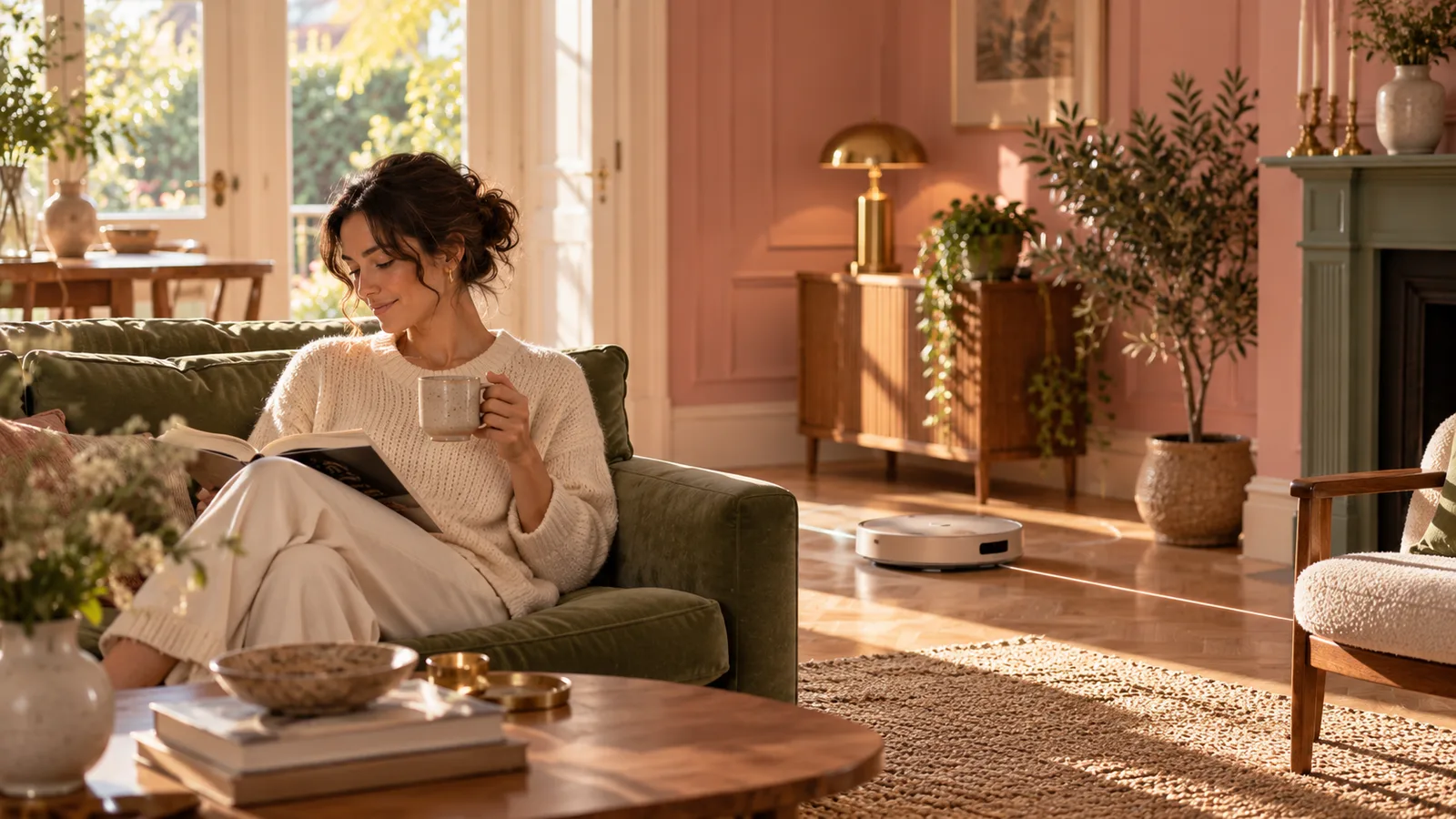
A plan on a screen eventually meets a physical world. The chair has to pass through the door. The garden has to be worked in. An arrangement has to fit the people who are actually there. Thinking about the future of AI means following the idea into those ordinary realities.
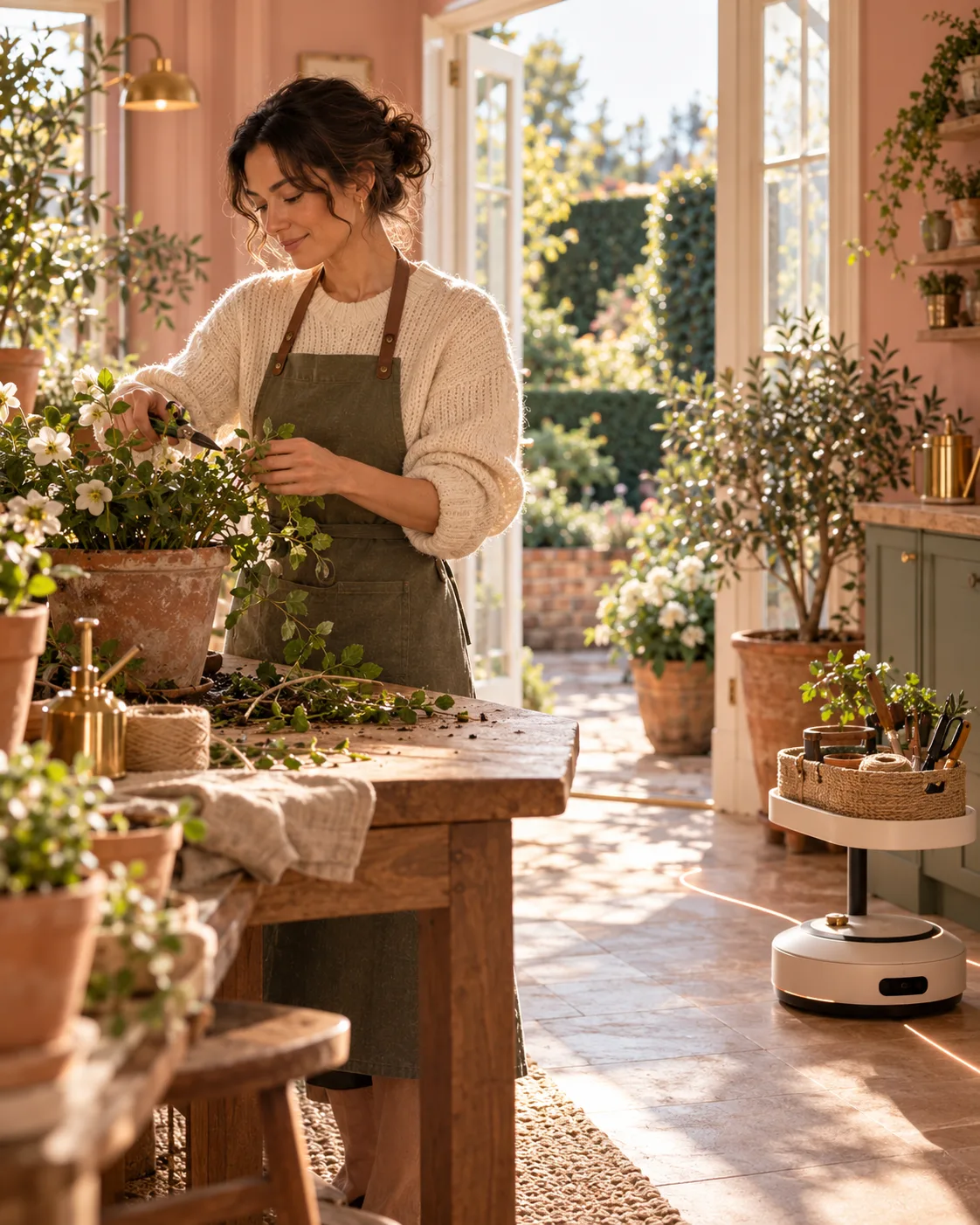
This is where my interest in the future of living becomes particularly tangible. I want to explore how an understanding of a person's circumstances could lead to appropriate help in the places they inhabit. Some of that help will come through software. Some will involve skilled people. Over time, some may involve machines acting in the physical world.
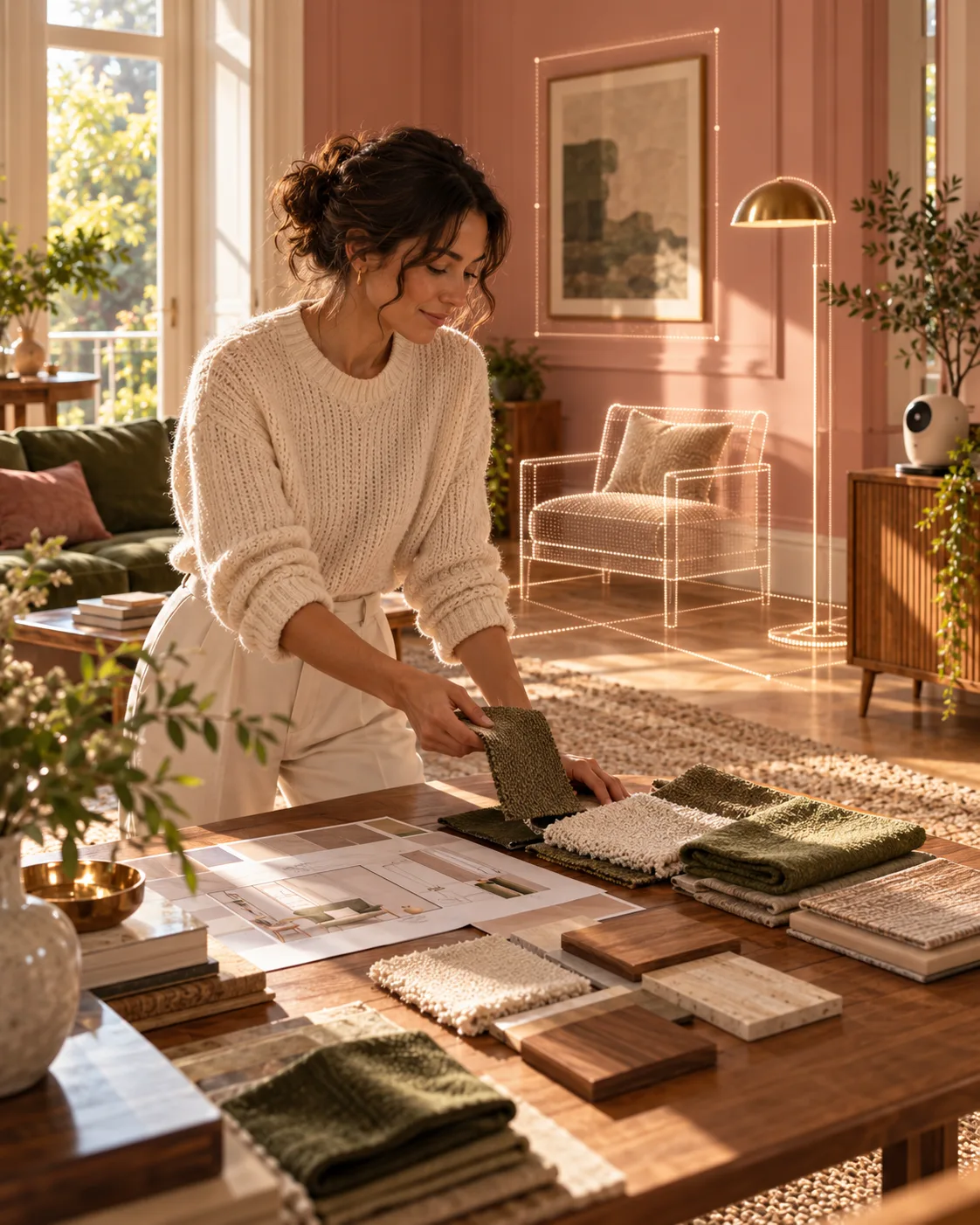
Robotics belongs within that longer-term ambition for HoWA. It raises an important question about the role of intelligence: how do you connect a person's intention to an action that is suitable for the place, the moment and the people around it?
From a demonstration to a place to live
There is real research behind the possibilities. In September 2025, Google DeepMind presented Gemini Robotics 1.5 with demonstrations including sorting laundry and carrying out tasks through multiple steps. Those demonstrations show a direction of development. They do not, by themselves, establish a machine's suitability for unattended use in an ordinary household. [3]
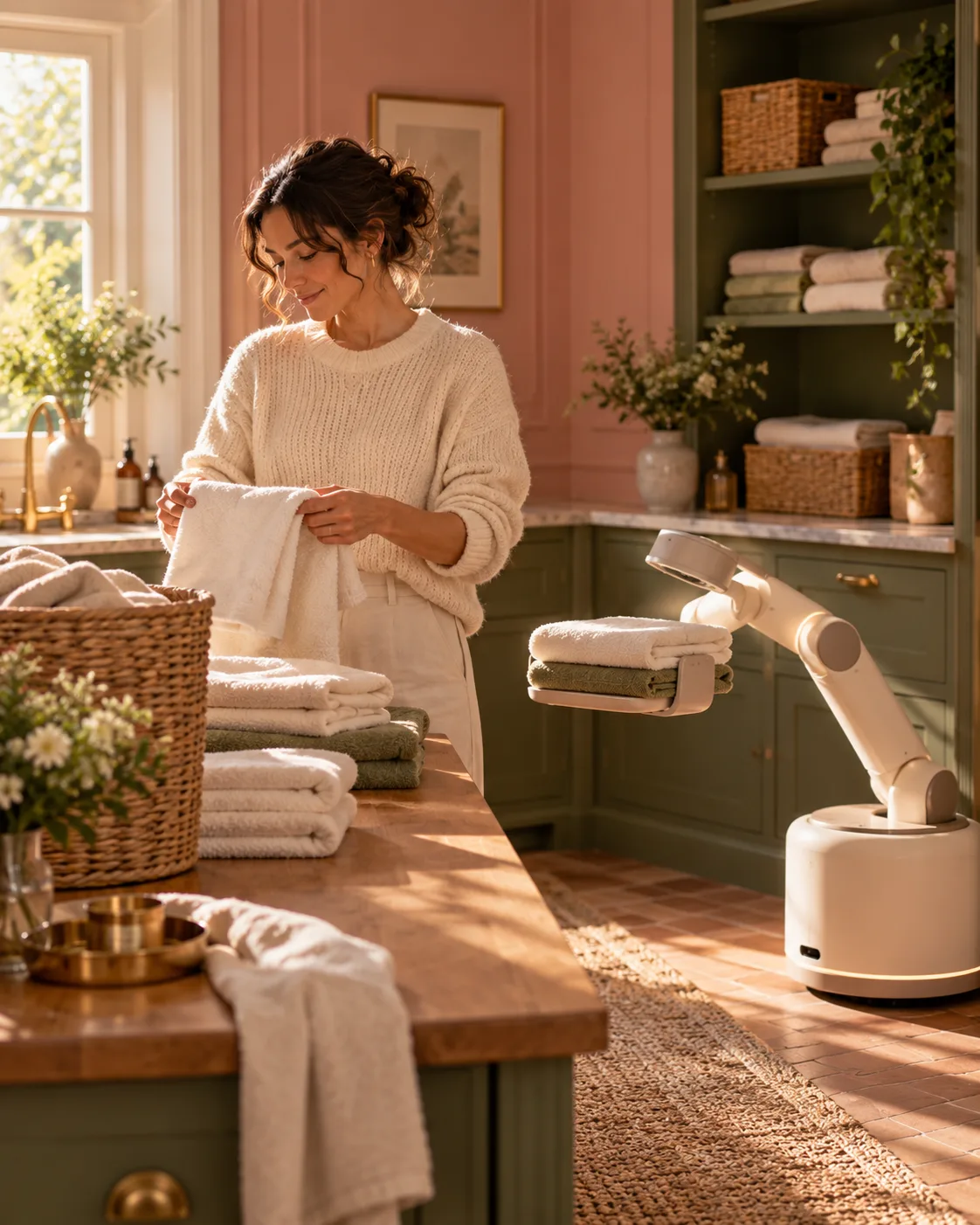
A home is a demanding place to be useful. Objects move. Rooms have several purposes. People leave things halfway through doing something. An instruction that sounds simple can contain assumptions about what should be touched, moved or left alone.
The challenge interests me because it brings judgement and context into the same conversation as physical capability. Being able to move an object is one achievement. Understanding whether moving it is wanted, authorised and appropriate is another necessary part of the job.
I would expect physical assistance to develop around clearly defined tasks, with specialist systems and responsible operators establishing what can be done safely. The ambition needs a credible route from an instruction to an observed result.
The place for human skill
I see room for human skill throughout this future. A gardener's judgement or a designer's understanding of proportion helps a place work well and acquire character. People interpret circumstances and take responsibility for decisions. Style and taste will continue to need that attentive, human contribution.
There may be worthwhile combinations of human service and robotic assistance. Equipment could support a bounded task while a practitioner provides judgement, oversight and work that needs a different kind of attention. The useful arrangement will depend on the actual capability and the setting.
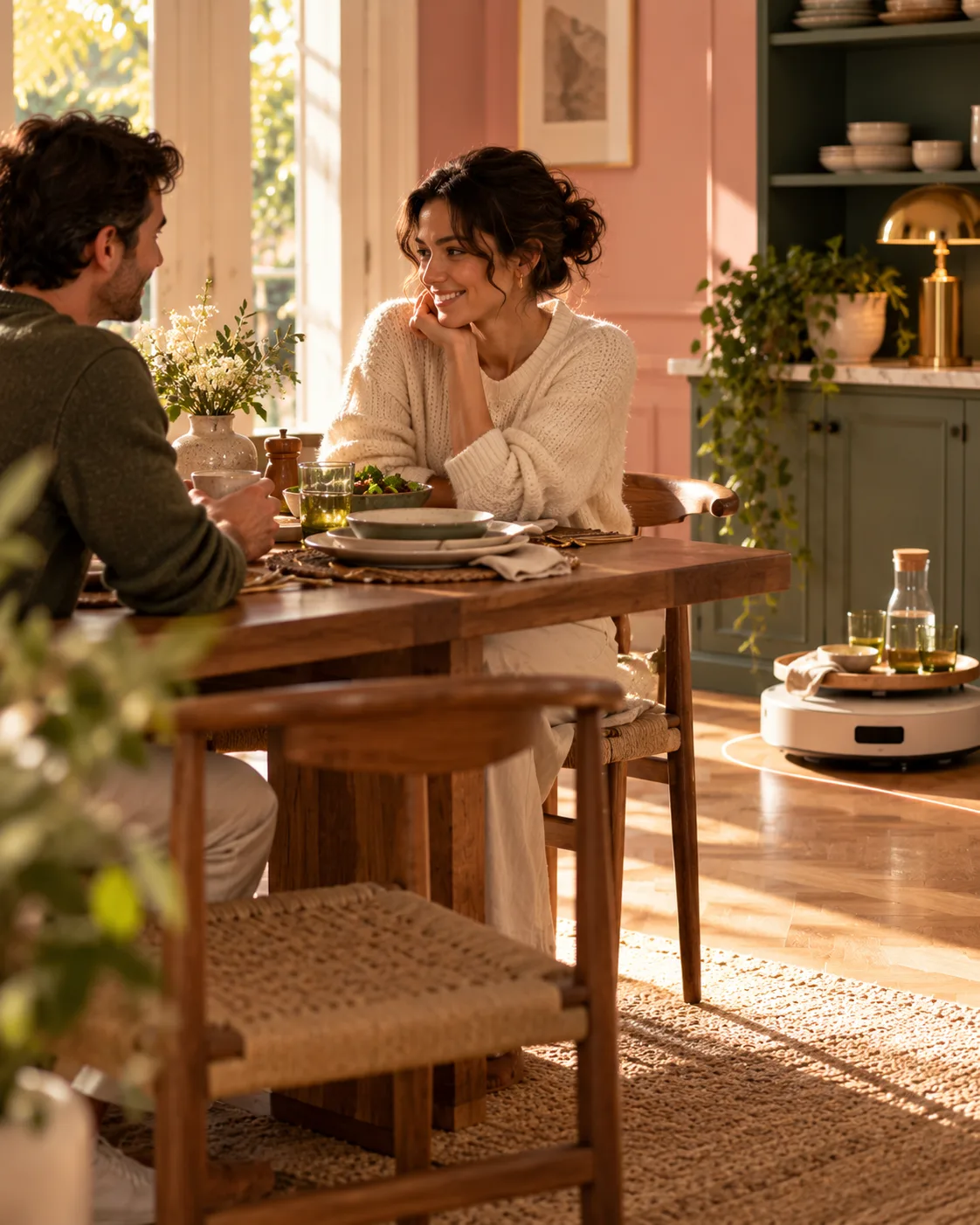
House of Willow Alexander and HoWA could contribute in different ways. The House could bring service experience and operating standards. HoWA could help connect a person's context and instructions with a supported task and its recorded outcome. These are possibilities for development, rather than announcements of a deployed robotic service.
I want us to be open to collaboration with specialists and to deeper development where a real use case justifies it. The question of what to build should follow the problem we can solve responsibly. A machine's novelty is an insufficient reason to give it a place in someone's home.
That also means being clear about failure. If a task stops halfway through, the person needs to know what happened and what still requires attention. A physical command carries consequences that cannot be resolved merely by generating a better explanation afterwards.
A future that leaves room for living
Looking further ahead, I can imagine a closer relationship between a person's intentions and the help available to them. A change in circumstances could inform an agreed plan and a suitable action. The ambition is for the different parts of life to work together with less effort from the person holding them together.
Physical assistance will also have to earn its place through design. How does it look, sound and move within a room? Can people use their home comfortably around it? I want its presence to respect the spaces people have chosen, alongside the practical requirements of reliability, affordability and human help when things go wrong.
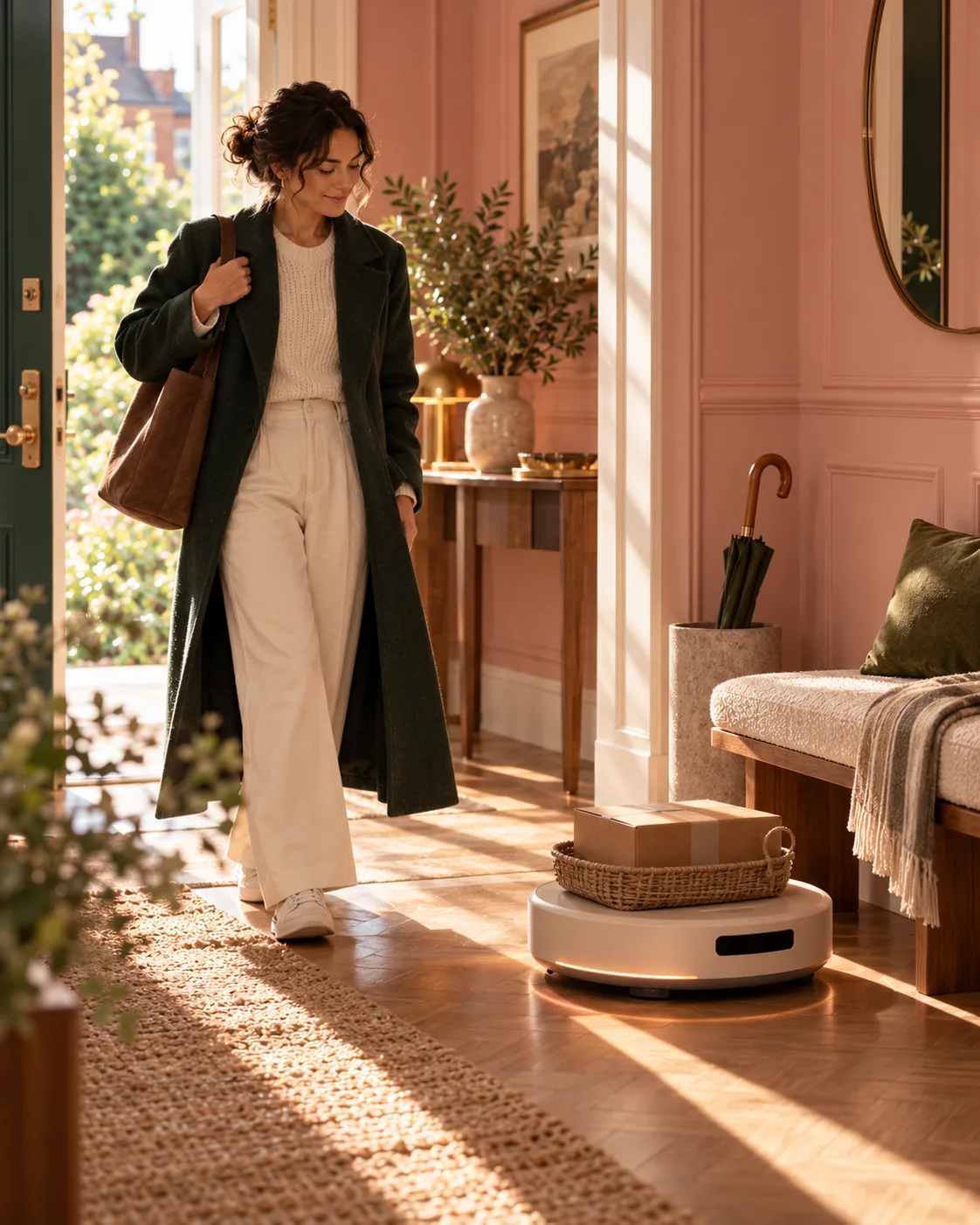
I also think we should resist the assumption that every part of life needs managing. Some activities are satisfying precisely because we choose to do them ourselves. The point of assistance is to give someone more choice about their time and effort.
That is the thread through this series. A more harmonious life has room for changing needs, trusted relationships and personal taste. Intelligence can help connect those things, provided we keep asking how its presence affects the experience of being at home.
My ambition for HoWA is to help people live in harmony in an increasingly fragmented world. We begin with the home because it brings that purpose into daily life. As AI develops, I want us to carry style and taste forward with it, creating more room for people to enjoy their surroundings and their lives together.
Sources
[3] Google DeepMind. Gemini Robotics 1.5 brings AI agents into the physical world. 25 September 2025. Read the announcement