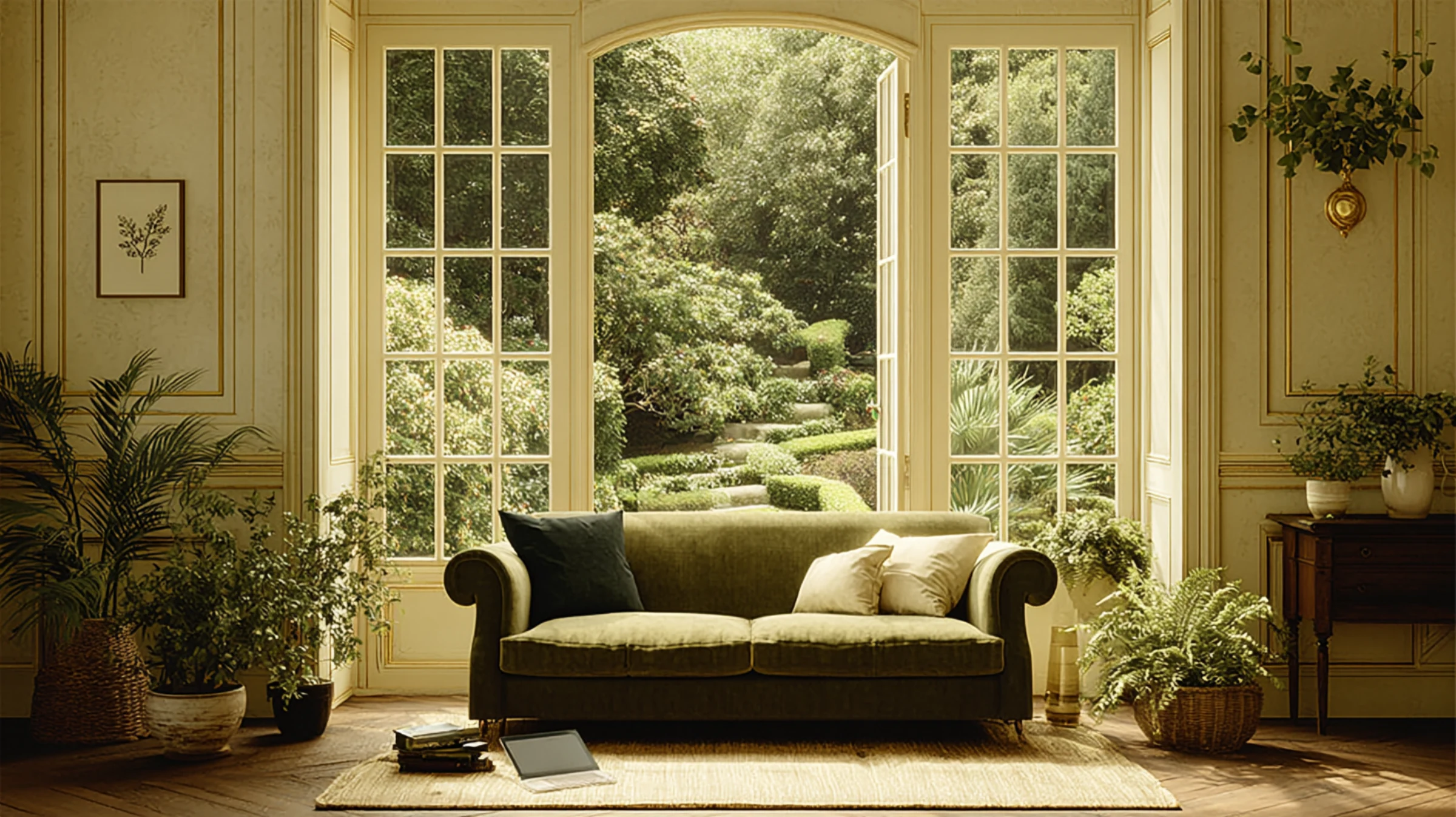
Our lives change and our homes should keep up
Our surroundings should help us feel at home as life changes. I believe intelligence can support that continuity while making room for different needs and tastes.
Samuel Collett, Founder of HoWA··4 min read
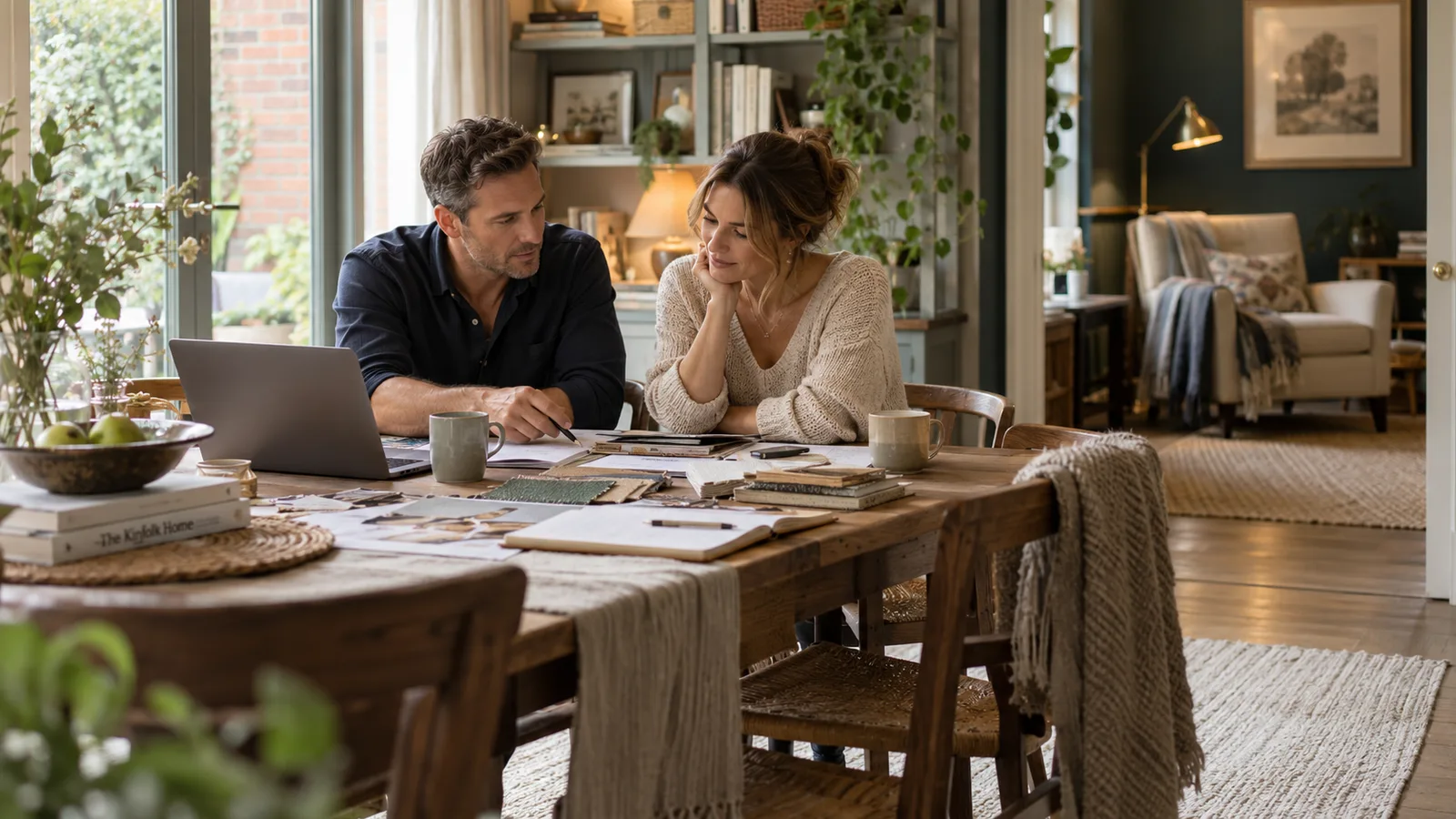
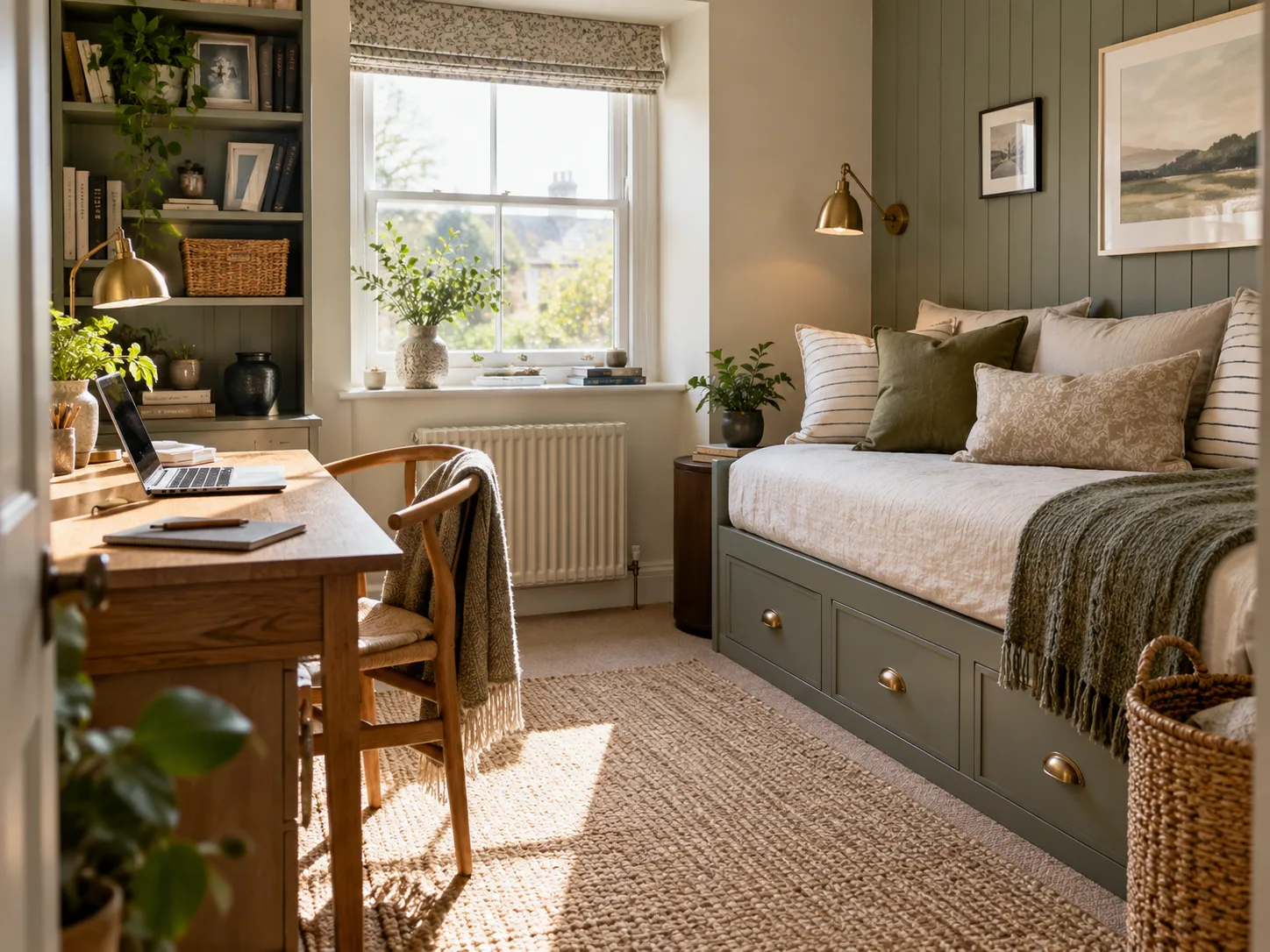
A spare room becomes a place to work. Then it becomes a bedroom again. The dining table takes on duties it was never selected for. A garden once planned for long weekends of attention begins to feel like another job. The building has barely changed; the life inside it has.
When I think about the future of living, I begin with that movement. People form households, separate, have children, care for relatives, change jobs, move between places and grow older. Even a settled life contains changes of pace. Our surroundings need to remain useful through them.
I want HoWA to help people retain a sense of harmony through those changes. That means understanding the circumstances behind a choice and recognising when it no longer fits. It also means caring about what a person wants to keep: a familiar atmosphere, a favourite object or a way of using a room.
The question behind the request
A request to redesign a room might begin with a colour or a photograph. Behind it may be a change in how the room needs to work. Someone needs quiet during the day. A parent is staying more often. Two people now use the same space at the same time.

If we begin with the image alone, we can produce an appealing answer to an incomplete question. I want the intelligence around a home to help uncover the brief: what has changed, what matters now and which constraints are real.
Consider a household preparing for a relative to spend more time with them. There may be questions about a room, storage, privacy, access and who will be around during the week. Some choices will need specialist advice. Others concern preferences that only the people involved can explain.
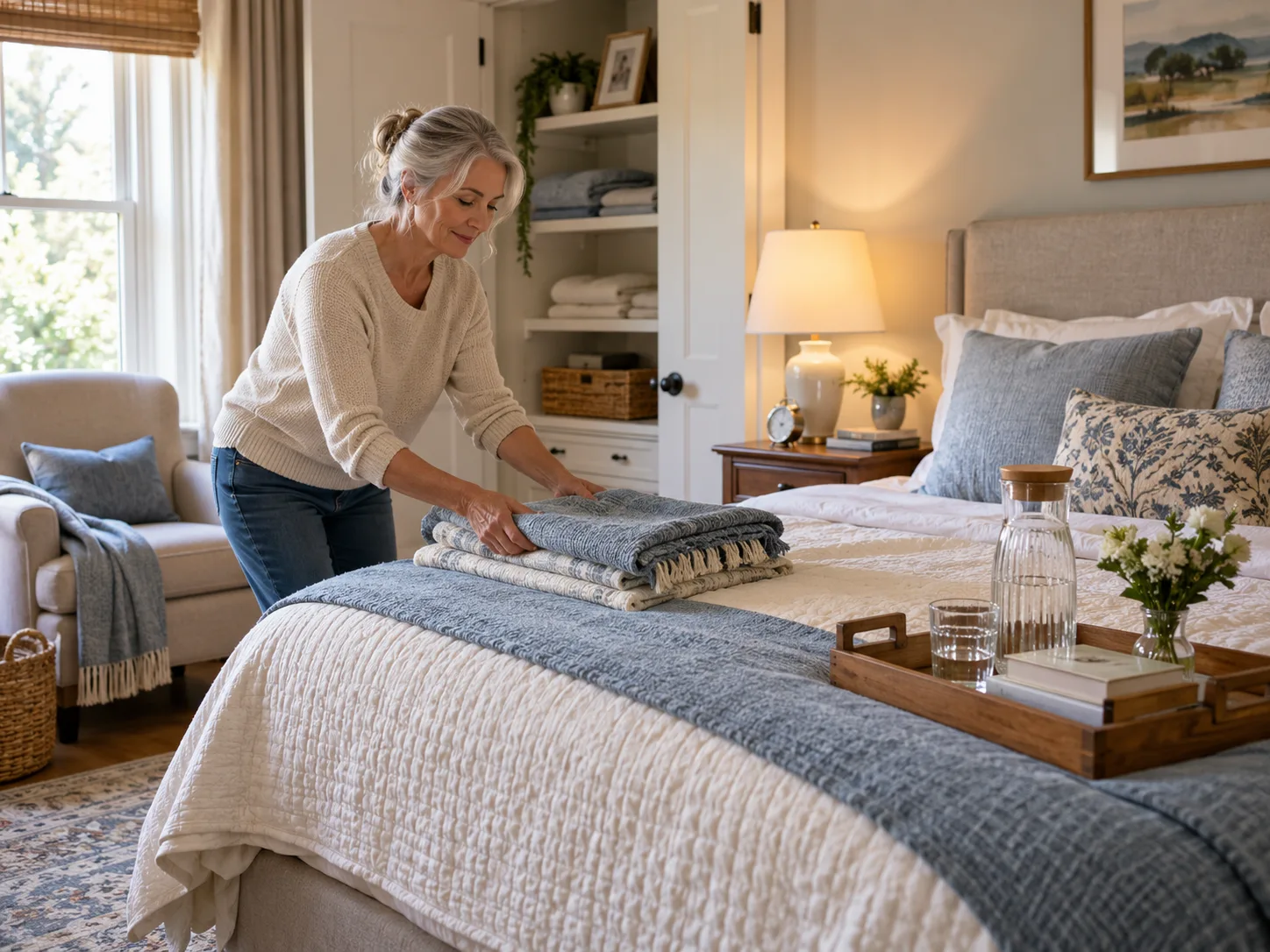
A useful system could help organise those questions and preserve the decisions. It would need to keep uncertainty visible, particularly where someone's needs have not yet been understood. An elegant proposal is only useful if the household can live with it.
That is why I see home intelligence as an ongoing relationship. A picture of the property at one moment cannot describe every life it will hold.
Allowing people to change their minds
Personalisation can become restrictive when it treats an old preference as a permanent instruction. A person who once wanted a formal garden may later want somewhere easier to care for. Someone who saved quiet interiors may now be looking for colour. The old information can explain a starting point without dictating the destination.
I want people to be able to say, simply, that something has changed. That correction should matter. It should influence the next relevant suggestion, and it should be possible to keep an earlier preference as history without allowing it to govern everything that follows.
Shared homes make this more interesting. One person may want a quiet room; another may want somewhere lively to gather. Harmony comes from giving those differences a place in the conversation. Technology could help people understand one another's priorities and explore a space that accommodates them, including how it should look and feel.
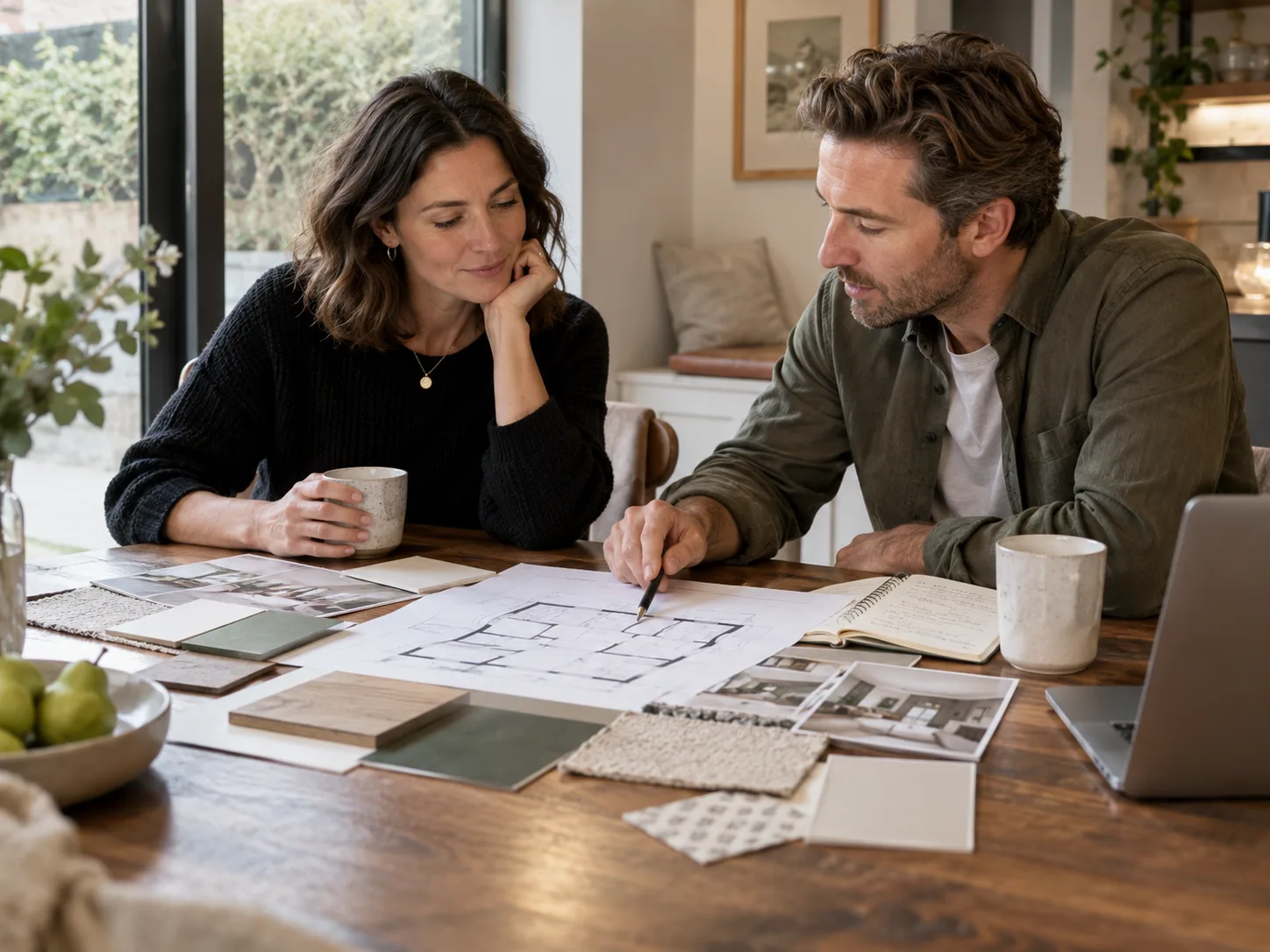
There is also a place for asking less. We should not need a complete account of a person's life before offering useful help with one decision. The right question at the right time can be more respectful, and more productive, than a long questionnaire.
Making change easier to carry through
The value of understanding a change depends on what happens afterwards. If a room needs a different purpose, the next step might be a revised brief or a conversation with a designer. If a household's weekly pattern changes, it may affect an existing arrangement. These consequences should become easier to see and manage.
Our longer-term direction for HoWA extends that thinking beyond a single address. People live across places and commitments. With the right connections and permissions, a change in one part of life could help reveal what needs attention elsewhere. That is an ambition for development, not a claim that every part of someone's life can already be coordinated automatically.
Some change should lead to very little action. A different arrangement may let a room serve a new purpose while retaining the furniture and character someone loves. A purchase may be able to wait. Intelligence should help people recognise what is already valuable in their surroundings.
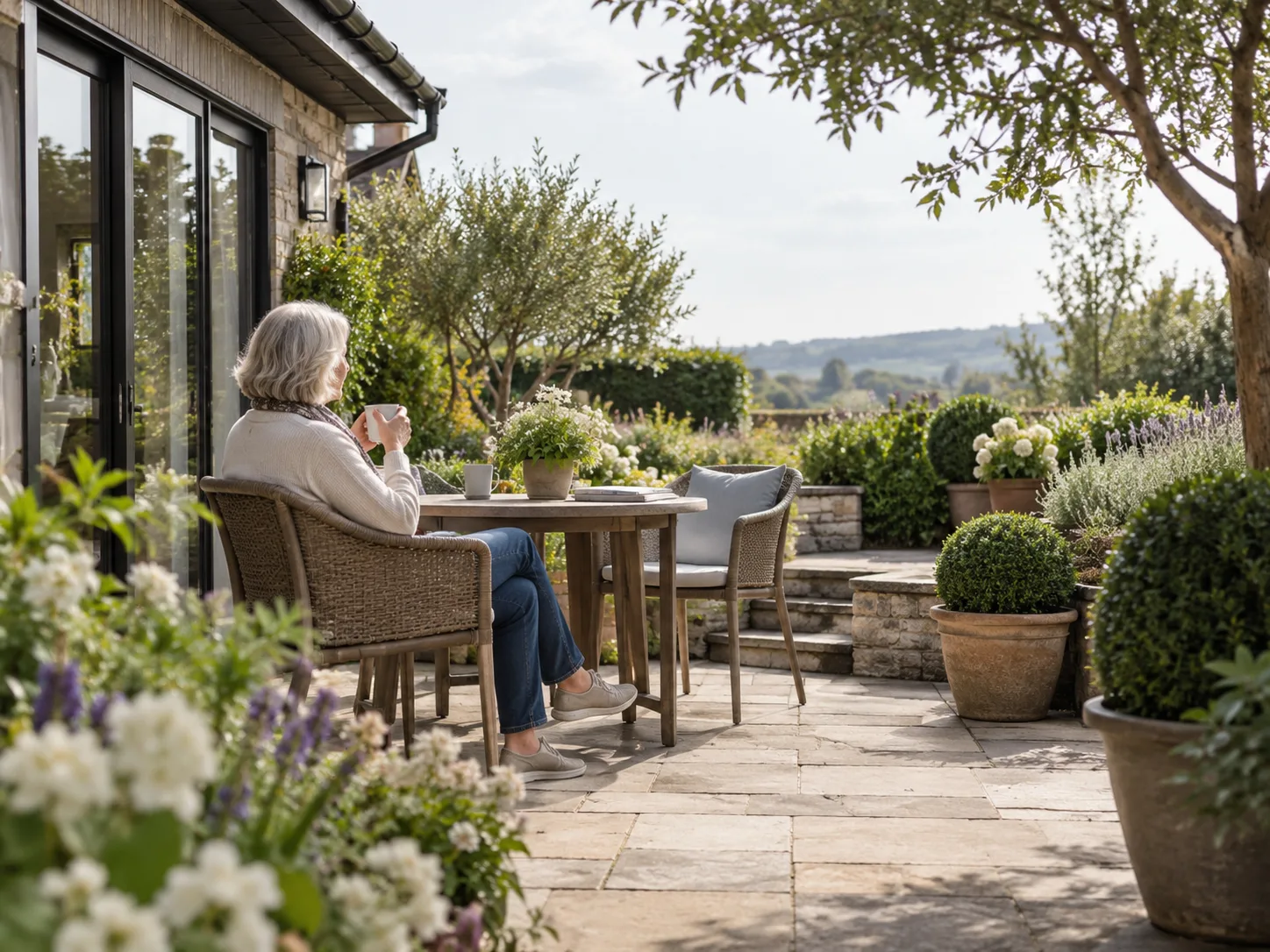
There is an important measure of success here for a business building technology around living: can we help someone adapt without making adaptation another substantial piece of work?
I want a home to remain somewhere people recognise themselves, even as their lives evolve. The measure includes how it works and how it feels to spend time there. That can start with one space: what would help it support the life you are living now, while keeping what you love about it?