Living in harmony in a fragmented world
I am building HoWA to help people live in harmony in an increasingly fragmented world, with style and taste at the heart of the future we create.
Samuel Collett, Founder of HoWA··4 min read
Everyday life can feel pulled in several directions at once. Work reaches into home, news and opinions arrive without pause, and the people we want to spend time with compete with everything that needs doing. I think one of the most important questions we can ask of technology is how it might help a life feel more whole.
My reason for building HoWA begins here: I want to help people live in harmony in an increasingly fragmented world. By harmony, I mean a closer relationship between the lives we lead, the people we share them with and the surroundings we create. There should be room for our differences, and for the things that make a life feel like our own.

AI gives us an opportunity to work towards that. It could help connect scattered information and reduce the effort of holding everything together. I want the attention that releases to have somewhere meaningful to go: into a conversation, a project or simply enjoying being at home.
A better starting point for intelligence
Imagine asking for ideas for a garden. You might receive a beautiful planting scheme. Whether it is right for you depends on much more than the picture. How much time do you want to spend outside maintaining it? Do you entertain? Are there children or pets? Which parts of the existing garden matter to you? Has the space become difficult to manage?
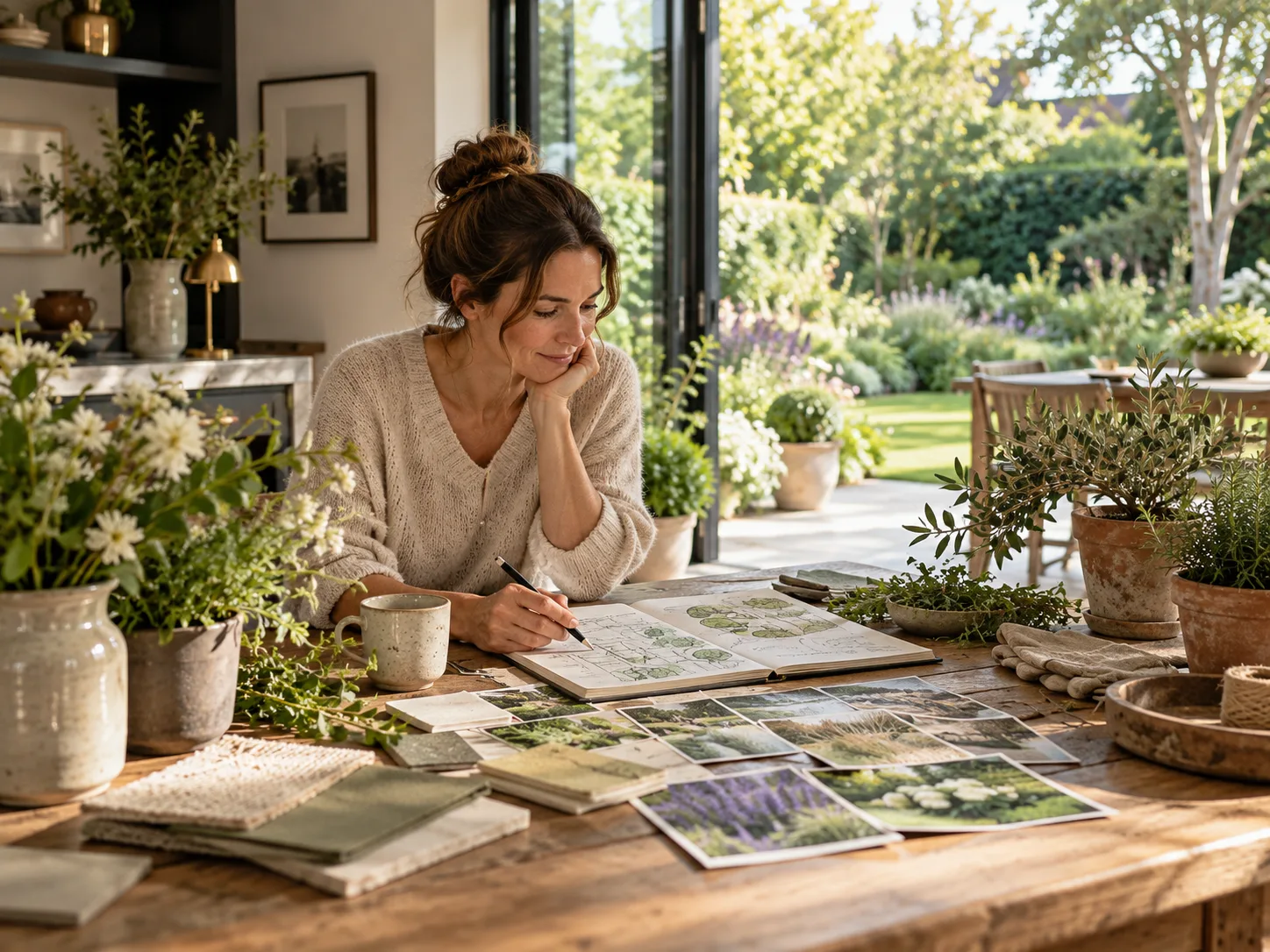
These are the details that turn an attractive possibility into a suitable choice. They also change. The garden you wanted five years ago may no longer suit the life you have now.
That is the kind of understanding I want us to build around. Intelligence should help us recognise what matters in a particular situation and make a considered choice. Sometimes that choice concerns maintenance. Sometimes it concerns the way a space feels, or whether it gives the people using it room to enjoy being there.
There is a commercial discipline in that, too. We have to earn a place in people's lives through usefulness. The burden of explaining, correcting and managing a system must be worth the help it provides.
Why we are starting with the home
The home brings these questions into focus. It contains long-lived things and constantly changing lives. A room can stay the same while its purpose changes completely. A document from years ago can suddenly become important. A preference that seems minor can determine whether a recommendation is welcome.
House of Willow Alexander and HoWA approach this world from distinct positions. The House brings together design, care, services and the standards associated with looking after homes and gardens. HoWA is the intelligence and product layer we are building around understanding, judgement and continuity. They share an interest in how a life is lived.
Services are one way a decision becomes real. There are plenty of others. Sometimes the useful outcome is a clearer brief, a remembered choice or the confidence to leave something alone. I want HoWA to have value in those moments as well.
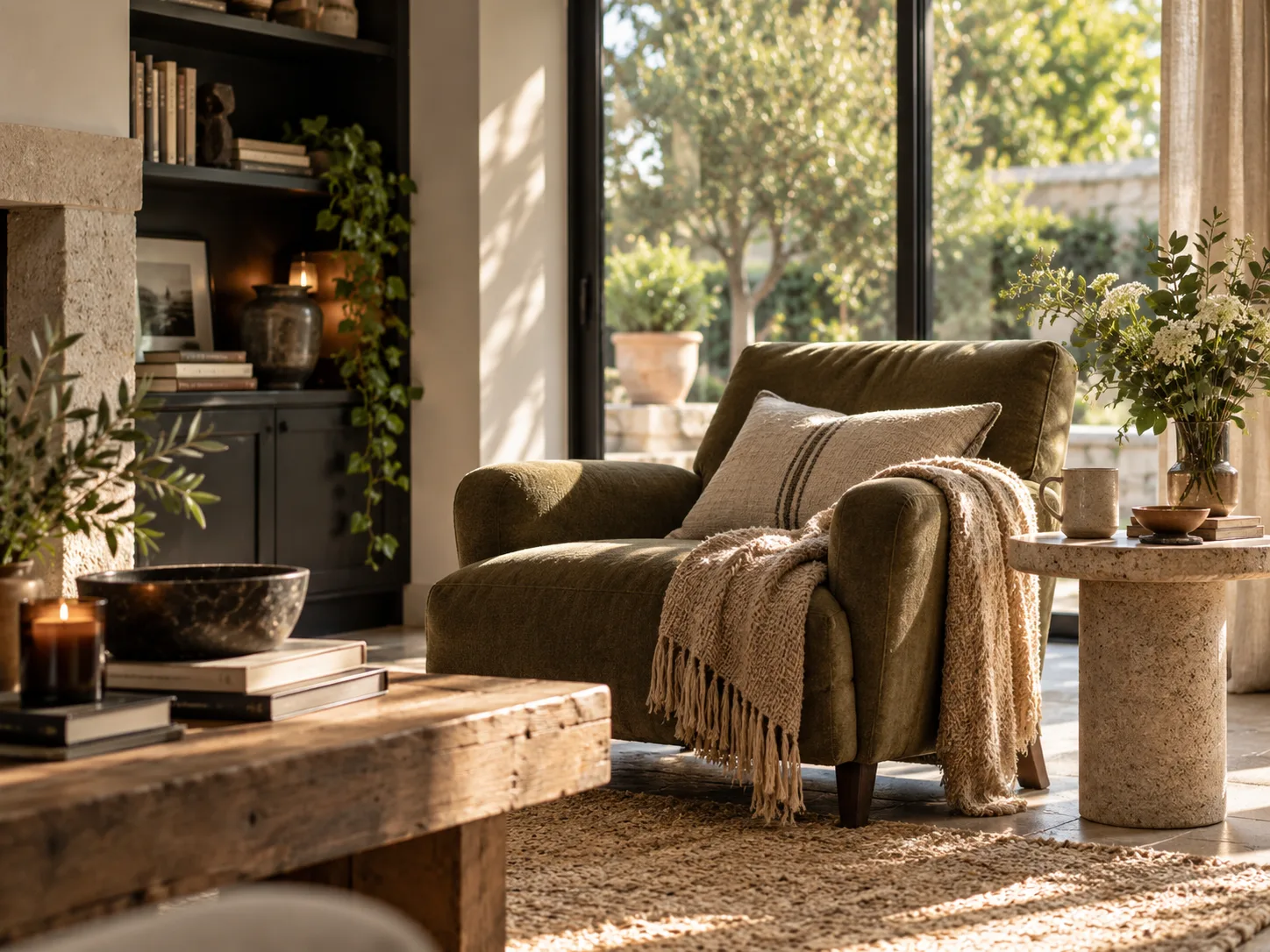
Style and taste belong at the centre of that ambition. The light someone loves, the objects they keep and the materials they enjoy are part of feeling at home. As AI becomes more influential, I want it to help people develop that personal judgement and preserve the character of their surroundings.
Keeping the person in charge
An intelligence that becomes more personal takes on a greater responsibility. It needs to be clear about what it knows, what it has inferred and where its understanding ends. It should be possible to correct it without beginning again.
I also want a clear relationship between insight and permission. Understanding that somebody would prefer a different arrangement does not, on its own, give a system permission to change it. As more actions become possible, that distinction will matter more.
The wider ambition is for useful understanding to continue across more of a person's life. A change of address should not require someone to reconstruct everything about their preferences. A different interface should not make their history disappear. Those are design ambitions that we must earn through reliable products, rather than assume a clever model will deliver for us.
I am optimistic about AI when I think about the attention it could give back to people. I also want us to ask what fills the space it creates. A home that is easier to manage should still offer beauty, surprise and places to spend time with one another.

That is the future I want HoWA to contribute to: people feeling more at ease with their surroundings and more able to live according to what matters to them. A useful place to begin is the part of your own life that feels most disconnected. What would help it fit better with the rest?